Trusted Dental Health Resource Since 2007

Category: Oral Health

Oral Health is the foundational biomedical state of the oral cavity—encompassing teeth, supporting periodontal ligaments, gingiva, mucosal linings, and salivary glands—free of chronic infection, craniofacial pain, and pathology.

Foundational Clinical Guides

Clinical Pillar

Mouth Biopsy Recovery Time: What to Expect and How to Heal Fast

Authoritative dental guidance, biological mechanisms, and practical clinical recommendations.

Evidence-Based Protocol

Luminance Red Cold Sore Reviews: Does Red Light Therapy Actually Work?

Authoritative dental guidance, biological mechanisms, and practical clinical recommendations.

Wellness Guide

Hot Pink and Black Braces: A Bold Choice for Your Smile

Authoritative dental guidance, biological mechanisms, and practical clinical recommendations.

Wellness Guide

LANAP vs. Deep Cleaning: Which is Right for Your Gum Health?

Authoritative dental guidance, biological mechanisms, and practical clinical recommendations.

Holistic Oral Biology: Systemic Interconnections & Preventive Science

Oral health is fundamentally intertwined with overall systemic physiology. The mouth serves as the primary gateway to both the respiratory and gastrointestinal tracts; chronic subgingival infections (periodontitis) allow periodontal pathogens and inflammatory cytokines (IL-1β, TNF-α, CRP) to enter the systemic bloodstream, elevating risks for cardiovascular disease, poorly controlled type 2 diabetes, and adverse pregnancy outcomes.

Salivary biochemistry plays a vital protective role in oral homeostasis. Unstimulated and stimulated saliva delivers secretory IgA antibodies, buffering bicarbonates that neutralize bacterial acids, and supersaturated calcium and phosphate ions that drive remineralization of subclinical enamel micro-lesions.

Maintaining optimal oral health requires a multimodal strategy combining daily mechanical plaque disruption, dietary moderation of fermentable carbohydrates, targeted mineral supplementation, and regular clinical evaluations.

Oral Health PillarBiological Protective MechanismClinical StandardPrimary Risk of Neglect
Mechanical Biofilm RemovalDisrupts mature anaerobic pathogenic coloniesTwice daily 2-minute brushing, daily interdental flossingGingival inflammation, interproximal caries development
Salivary Enamel BufferingBicarbonate raises pH; calcium remineralizes enamelAdequate daily hydration, salivary flow >0.3 mL/minXerostomia (dry mouth), rampant cervical demineralization
Topical Fluoride / HA TherapyIncorporates fluorapatite / hydroxyapatite crystalsFluoride toothpaste (1000-1450 ppm) or nano-HA formulationsElevated enamel acid solubility, progressive cavitations
Professional Periodontal TriageSubgingival calculus debridement and probe chartingBi-annual clinical examination and dental prophylaxisUndetected chronic bone resorption, irreversible tooth mobility

Thematic Directory & Clinical Resources

Frequently Asked Questions About Oral Health

What is the single most important habit for lifelong oral health?

Daily mechanical disruption of plaque through twice-daily brushing with fluoride or hydroxyapatite toothpaste, combined with daily interdental flossing or water flossing, is the foundation of oral wellness.

How does oral health impact heart health?

Chronic periodontal inflammation releases bacteria and inflammatory mediators into the systemic circulation, contributing to endothelial dysfunction, arterial plaque formation, and increased cardiovascular risks.

Why is saliva so essential for protecting teeth?

Saliva continuously washes away food particles, neutralizes acidic pH produced by oral bacteria, and delivers calcium and phosphate ions to remineralize enamel micro-lesions before they turn into cavities.

How to Remove a Seed Stuck in Your Teeth Quickly

Quick Steps to Remove a Seed from Your Teeth

Got a pesky seed stuck in your teeth? Don’t stress! Here’s how to tackle it:

  1. Rinse Your Mouth: Use warm saltwater for effective removal.
  2. Floss Gently: Slide dental floss between the teeth carefully.
  3. Use a Toothpick: If needed, a wooden pick can help dislodge it.

Stay calm—you’ve got this!

Read More »

Can’t Get Food Out of Your Teeth? Effective Solutions to Try

Can’t Get Food Out of Your Teeth? Here’s What to Do!

Stuck food can be annoying, but don’t fret! Try these quick solutions:

  • Floss Wisely: Gently slide floss between teeth for effective removal.
  • Use a Toothpick: A soft, wooden pick can help dislodge stubborn bits.
  • Rinse and Repeat: Swishing warm salt water can soothe gums and help clear debris.

Stay comfortable and keep smiling!

Read More »

Fingernail Stuck Between Teeth? Safe Removal Methods Explained

Fingernail Stuck Between Teeth? Safe Removal Methods Explained

If you’ve found yourself with a stubborn fingernail stuck between your teeth, don’t worry! Follow these simple steps to safely remove it:

  1. Stay Calm: Take a deep breath to reduce any anxiety.
  2. Rinse Your Mouth: Gently swish water to loosen the nail.
  3. Use Dental Floss: Carefully slide it between teeth to dislodge the nail.
  4. Seek Help if Needed: If it doesn’t come out, consult a dentist.

Remember, it’s important to be gentle and patient during this process!

Read More »
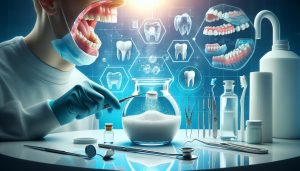
a dental professional preparing a homemade salt water rinse with tools and visuals of oral health benefits like healing gums and teeth.

How to Make Salt Water Rinse for Oral Health at Home

Make Your Own Salt Water Rinse at Home

A simple salt water rinse can boost your oral health! Just dissolve 1 teaspoon of salt in 8 ounces of warm water. Swish it around for 30 seconds, then spit it out. Repeat daily for fresher breath and healthier gums!

Read More »

Is Tooth Powder Better Than Toothpaste? A Comparative Guide

Is Tooth Powder Better Than Toothpaste? A Comparative Guide

Curious if tooth powder is the right choice for you? This guide explores the pros and cons of each option, helping you make an informed decision for your oral care routine. Discover what works best for your smile!

Read More »

When Does a Tooth Stop Bleeding After an Extraction? Timeline Explained

How Long Does Tooth Bleeding Last After Extraction?

After a tooth extraction, bleeding is normal. Typically, it should subside within a few hours. Here’s what to expect:

  • First 30 minutes: Bite down on a gauze pad to control bleeding.
  • 1-2 hours: Check for continued oozing; replace gauze if needed.
  • 24 hours: If bleeding persists, contact your dentist.

Stay calm and follow these steps for a smooth recovery!

Read More »
STOP spending thousands at the dentist!
Dentists Shocked: This Probiotic Discovery Changes Everythin
ProDentim's unique blend of 3.5 billion probiotics rebuilds what toothpaste destroys. See why 95,000+ customers give it ⭐⭐⭐⭐⭐. Try risk-free with 60-day guarantee!
Overlay Image