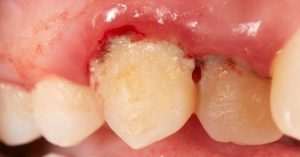
How Long After A Deep Teeth Cleaning Can I Eat? & What You Can Eat!
Dental irrigation is an important part of oral hygiene. It helps remove debris, bacteria, and other matter from the mouth, which can prevent gum disease
Oral Health is the foundational biomedical state of the oral cavity—encompassing teeth, supporting periodontal ligaments, gingiva, mucosal linings, and salivary glands—free of chronic infection, craniofacial pain, and pathology.
Authoritative dental guidance, biological mechanisms, and practical clinical recommendations.
Oral health is fundamentally intertwined with overall systemic physiology. The mouth serves as the primary gateway to both the respiratory and gastrointestinal tracts; chronic subgingival infections (periodontitis) allow periodontal pathogens and inflammatory cytokines (IL-1β, TNF-α, CRP) to enter the systemic bloodstream, elevating risks for cardiovascular disease, poorly controlled type 2 diabetes, and adverse pregnancy outcomes.
Salivary biochemistry plays a vital protective role in oral homeostasis. Unstimulated and stimulated saliva delivers secretory IgA antibodies, buffering bicarbonates that neutralize bacterial acids, and supersaturated calcium and phosphate ions that drive remineralization of subclinical enamel micro-lesions.
Maintaining optimal oral health requires a multimodal strategy combining daily mechanical plaque disruption, dietary moderation of fermentable carbohydrates, targeted mineral supplementation, and regular clinical evaluations.
| Oral Health Pillar | Biological Protective Mechanism | Clinical Standard | Primary Risk of Neglect |
|---|---|---|---|
| Mechanical Biofilm Removal | Disrupts mature anaerobic pathogenic colonies | Twice daily 2-minute brushing, daily interdental flossing | Gingival inflammation, interproximal caries development |
| Salivary Enamel Buffering | Bicarbonate raises pH; calcium remineralizes enamel | Adequate daily hydration, salivary flow >0.3 mL/min | Xerostomia (dry mouth), rampant cervical demineralization |
| Topical Fluoride / HA Therapy | Incorporates fluorapatite / hydroxyapatite crystals | Fluoride toothpaste (1000-1450 ppm) or nano-HA formulations | Elevated enamel acid solubility, progressive cavitations |
| Professional Periodontal Triage | Subgingival calculus debridement and probe charting | Bi-annual clinical examination and dental prophylaxis | Undetected chronic bone resorption, irreversible tooth mobility |
Daily mechanical disruption of plaque through twice-daily brushing with fluoride or hydroxyapatite toothpaste, combined with daily interdental flossing or water flossing, is the foundation of oral wellness.
Chronic periodontal inflammation releases bacteria and inflammatory mediators into the systemic circulation, contributing to endothelial dysfunction, arterial plaque formation, and increased cardiovascular risks.
Saliva continuously washes away food particles, neutralizes acidic pH produced by oral bacteria, and delivers calcium and phosphate ions to remineralize enamel micro-lesions before they turn into cavities.

Dental irrigation is an important part of oral hygiene. It helps remove debris, bacteria, and other matter from the mouth, which can prevent gum disease

The type of toothbrush you use makes a difference in your oral health. A toothbrush that will remove plaque and bacteria from your teeth and
Like most people, you probably enjoy the occasional energy drink. After all, they can give you a much-needed boost of energy when you’re feeling tired
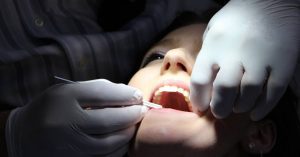
Brushing your teeth is an important part of your overall health. If you don’t brush them correctly or often enough, it can lead to more

It’s no surprise that many people want to know how long they need to wait after getting their teeth cleaned before they can eat again.
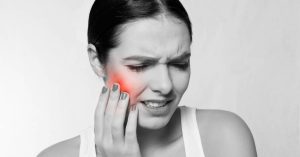
Dentists recommend that people get deep teeth cleaning done at least once a year. This procedure helps to remove plaque and tartar buildup that can
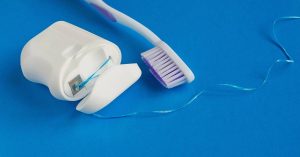
Flossing is an essential part of oral care, and there are many reasons why you should do it twice a day. From removing plaque and

Some people believe brushing teeth after vomiting can help remove leftover food or stomach acids from the mouth and teeth. Others think it will only
# Permanent Dental Bridges: A Comprehensive Guide to Restoring Your Smile Missing teeth can affect not only your confidence but also your oral health. A

When brushing your teeth, the American Dental Association recommends doing it twice daily for two full minutes each time. However, they don’t specify when you
MY GUMS HAVE NEVER LOOKED BETTER!


by real users!