Mouth Biopsy Recovery Time: What to Expect and How to Heal Fast
Hearing the word “biopsy” from your dentist or oral surgeon can be incredibly intimidating. If your practitioner has noticed an unusual lesion, white patch, or lump in your mouth, an oral biopsy is the gold standard for diagnosing the issue—which, in the vast majority of cases, turns out to be entirely benign. While the anxiety leading up to the procedure is common, many patients are equally concerned about the aftermath. What is the standard mouth biopsy recovery time? Will it hurt to eat? How long will you be out of commission? In this comprehensive guide, we will walk you through the recovery timeline and provide actionable tips for a smooth, swift healing process.
Table of Contents
ToggleUnderstanding the Procedure
To understand the recovery, you must briefly understand the procedure. There are two main types of oral biopsies:
- Incisional Biopsy: The surgeon removes a small piece of the suspicious tissue for testing.
- Excisional Biopsy: The surgeon removes the entire lesion along with a small border of normal tissue.
Both are typically performed in the office using local anesthesia. Because the mouth is highly vascular (it has a vast blood supply), it tends to bleed easily during the procedure, but it also heals remarkably fast compared to skin on the rest of your body.
The General Mouth Biopsy Recovery Timeline
The exact mouth biopsy recovery time will depend on the size of the biopsy, its location (e.g., the tongue, the roof of the mouth, or the inner cheek), and your overall health. However, you can generally expect the following timeline:
The First 24 Hours: The Crucial Window
Immediately after the procedure, you will likely still be numb. As the local anesthesia wears off, you will experience mild to moderate soreness and swelling. A small amount of bleeding or oozing is completely normal. Your saliva may appear pinkish, which can make it look like you are bleeding more than you actually are.
What to do: Bite down gently on the gauze provided by your surgeon to help a blood clot form. Rest, keep your head elevated, and apply an ice pack to the outside of your face near the biopsy site to minimize swelling.
Days 2 to 3: Peak Swelling and Soft Foods
Swelling usually peaks around the second or third day. The biopsy site may look white or yellowish—do not be alarmed; this is the oral equivalent of a scab and is a sign of healthy healing, not infection. The pain should be manageable with over-the-counter pain relievers.
What to do: Stick to a strict soft-food diet. Think yogurt, applesauce, mashed potatoes, and lukewarm soups. Avoid anything hot, spicy, acidic, or crunchy.
Days 4 to 7: Turning the Corner
By the end of the first week, the swelling should have significantly subsided, and the pain should be minimal. If you had dissolving stitches placed, they may begin to loosen and fall out during this time. You can slowly start reintroducing more solid foods into your diet, though you should still chew on the opposite side of your mouth.
Days 10 to 14: Full Tissue Recovery
For most minor biopsies, the surface tissue in your mouth will be completely healed within 10 to 14 days. You should be back to your normal diet and oral hygiene routine. It is typically during this window that your dentist will call you with the pathology results from the lab.
Crucial Tips for a Faster Recovery
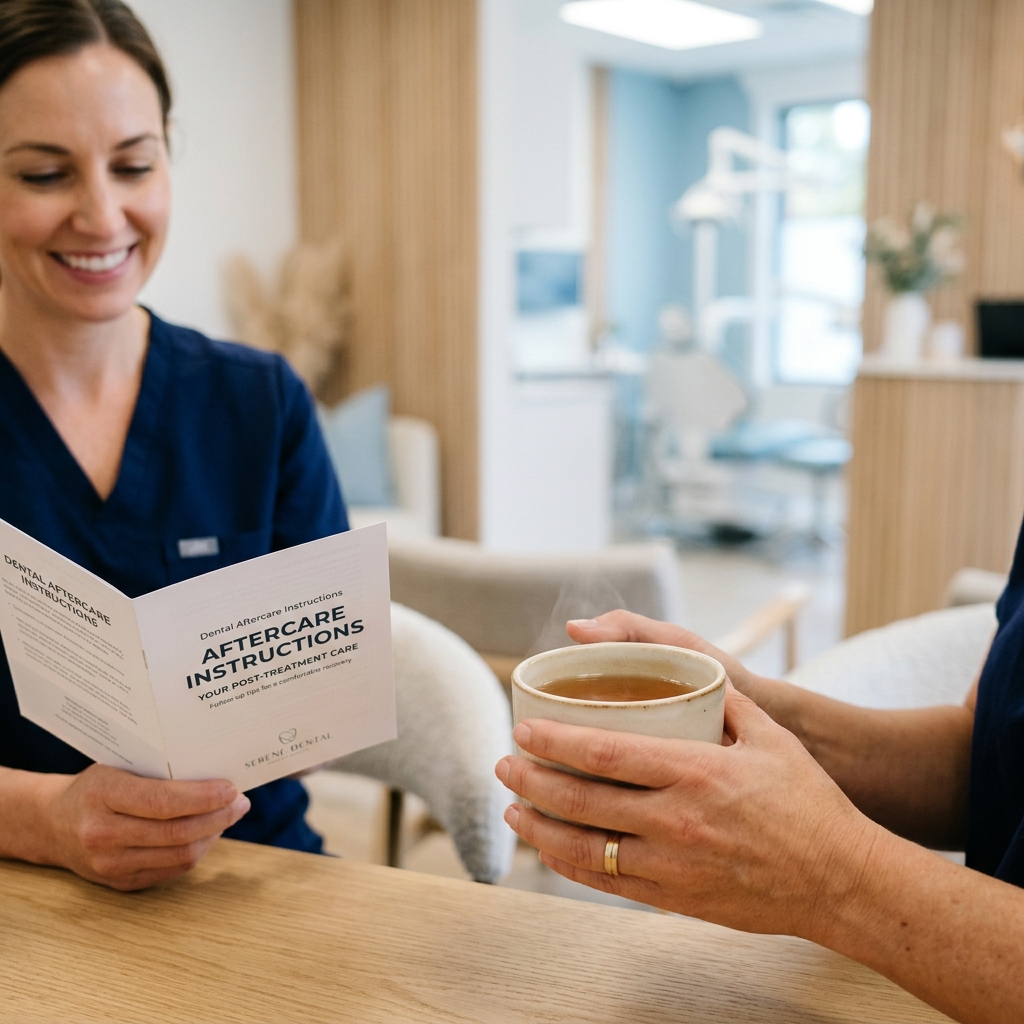
While your body will do the heavy lifting, you can dramatically optimize your mouth biopsy recovery time by following these essential aftercare guidelines:
- Do NOT Use a Straw: The suction created by using a straw can dislodge the blood clot forming over the biopsy site, leading to a painful condition known as a dry socket and delaying healing.
- Avoid Smoking and Alcohol: Smoking severely restricts blood flow and oxygen to the healing tissues, drastically slowing down recovery and increasing the risk of infection. Alcohol can irritate the wound and interfere with your medications.
- Rinse with Warm Salt Water: Starting 24 hours after the procedure, gently rinse your mouth with warm salt water (1/2 teaspoon of salt in a cup of warm water) two to three times a day. Do not swish vigorously; simply let the water roll around your mouth and let it fall out into the sink. This keeps the area clean and promotes healing.
- Keep Up with Oral Hygiene: You must keep brushing and flossing the rest of your teeth to prevent bacterial buildup. Just be extremely careful to avoid brushing the biopsy site itself.
- Take Medications as Prescribed: Take all prescribed antibiotics or pain medications exactly as directed by your oral surgeon.
When to Call Your Doctor
While complications are rare, you should contact your dentist or oral surgeon immediately if you experience:
- Excessive, uncontrollable bleeding that doesn’t stop after applying pressure with gauze for 30 minutes.
- A sudden spike in pain or swelling after the first few days.
- A fever above 100.5°F (38°C).
- Foul-tasting discharge or pus coming from the biopsy site.
Conclusion
A mouth biopsy is a relatively straightforward procedure with a surprisingly swift recovery time. By sticking to a soft diet, avoiding suction and irritants, and keeping the area clean, you can expect to be fully healed in about two weeks. Remember that the temporary discomfort of recovery is a small price to pay for the peace of mind that comes with a definitive diagnosis regarding your oral health.
If you have noticed an unusual change in your mouth tissue or have questions about a pending biopsy procedure, our compassionate team is here to help. Contact us today. [contact_form]
Get our latest guides, news, and insights highlighted in your Google Search & AI Overviews.

 MY GUMS HAVE NEVER LOOKED BETTER!