Trusted Dental Health Resource Since 2007

Category: Teeth Whitening

Teeth Whitening is a specialized cosmetic dental procedure utilizing oxidizing agents (hydrogen peroxide or carbamide peroxide) to penetrate porous enamel and dentin, chemically breaking down double bonds in chromogenic stain molecules to brighten tooth shade.

Foundational Clinical Guides

Clinical Pillar

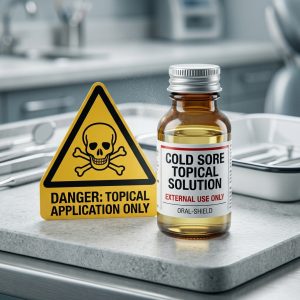
Can You Use Campho-Phenique Inside Your Mouth for Canker Sores? Safety Guide

Authoritative dental guidance, biological mechanisms, and practical clinical recommendations.

Evidence-Based Protocol

Do Teeth Whitening Strips Work? Are They Safe? Ultimate Guide

Authoritative dental guidance, biological mechanisms, and practical clinical recommendations.

Wellness Guide

How To White Teeth: 11 Effective And Affordable Home Remedies!

Authoritative dental guidance, biological mechanisms, and practical clinical recommendations.

Wellness Guide

18 Ways To Get Rid Of Yellow Teeth Naturally At Home! Ultimate Guide

Authoritative dental guidance, biological mechanisms, and practical clinical recommendations.

The Science of Dental Bleaching: Peroxide Oxidation & Enamel Safety

Tooth discoloration falls into two primary categories: extrinsic staining (tannins, coffee, tobacco, and dark berries accumulated on the acquired pellicle) and intrinsic staining (age-related enamel thinning, tetracycline incorporation, fluorosis, or post-trauma pulpal necrosis within the dentin matrix). Extrinsic stains respond to mechanical polishing and superficial oxidizers, whereas intrinsic discoloration requires chemical bleaching agents.

Dental bleaching utilizes hydrogen peroxide ($H_2O_2$) or its precursor carbamide peroxide ($CH_6N_2O_3$). These compounds release reactive oxygen species (free radicals) that penetrate the permeable enamel prisms and oxidize organic pigment molecules (chromophores), transforming complex pigmented rings into simpler, light-reflecting compounds.

Professional supervision ensures safety: over-bleaching can temporarily dehydrate enamel and cause reversible pulp inflammation. Utilizing desensitizing agents—such as potassium nitrate and amorphous calcium phosphate (ACP)—protects tooth nerve endings during active whitening.

Whitening ModalityActive Agent & ConcentrationApplication CadenceClinical Outcome Profile
In-Office Professional Bleaching25% – 40% Hydrogen PeroxideSingle 60-90 min session with gingival barrierDramatic shade change (6-8 shades brighter) with immediate results
Custom Take-Home Trays10% – 22% Carbamide PeroxideDaily 1-2 hours for 10-14 daysGradual, highly controlled shade lift with minimal tooth sensitivity
Over-The-Counter Whitening Strips6% – 14% Hydrogen Peroxide30-60 min daily for 7-21 daysEffective for anterior teeth; requires careful gingival placement
Natural Home RemediesBaking soda (mild abrasive), hydrogen peroxide rinse1-2 times weeklyRemoves superficial extrinsic stains; cannot alter natural dentin hue

Thematic Directory & Clinical Resources

Frequently Asked Questions About Teeth Whitening

Does teeth whitening damage natural enamel?

When performed with ADA-accepted peroxide concentrations, teeth whitening is clinically proven to be safe and does not erode enamel crystals or compromise tooth structure.

How long do professional teeth whitening results last?

Results typically last 1 to 3 years depending on dietary habits: consuming dark coffee, red wine, tea, and tobacco will gradually cause re-staining over time.

Can dental crowns, veneers, or fillings be whitened?

No. Bleaching agents only affect natural organic tooth structure. Existing composite resin restorations and porcelain crowns will not change shade and may need replacement after whitening to match.

Join 95.000+ satisfied customers experiencing the ProDentim difference.
⭐ MY GUMS HAVE NEVER LOOKED BETTER!
Unique blend of 3.5 billion probiotics is transforming dental health nationwide. Try risk-free for 60 days - see why ProDentim is rated ⭐⭐⭐⭐⭐ by real users!
Overlay Image