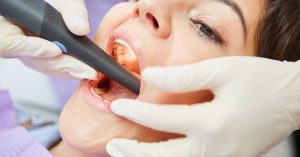
Are Root Canals Bad For You? Ultimate Guide
Root canals don’t have to be a scary procedure! We want to help you understand the procedure better, so you aren’t so afraid. Root canals
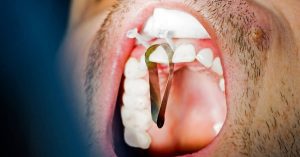
Dental Conditions encompasses the pathological, structural, and physiological disorders affecting the human dentition, alveolar bone, oral mucosa, and temporomandibular complex, requiring targeted diagnostic triage and clinical intervention.
Evidence-based diagnosis, symptom evaluation, and clinical treatment guidance from dental professionals.
Oral health disorders span hard-tissue lesions (enamel caries, pulp necrosis, dental attrition), periodontal breakdowns (chronic periodontitis, gingival recession), mucosal diseases (aphthous stomatitis, oral lichen planus), and functional temporomandibular disorders (TMJ arthralgia, myofascial bruxism). Understanding symptom patterns enables timely clinical diagnosis before irreversible tissue loss occurs.
Dental pain often exhibits referred characteristics due to the complex innervation of the trigeminal nerve (Cranial Nerve V). Sharp, fleeting sensitivity to cold typically indicates reversible pulpitis or exposed dentinal tubules, whereas lingering throbbing pain, nocturnal spontaneous aches, and periapical tenderness suggest irreversible pulpitis requiring endodontic debridement.
Preventive diagnostic protocols—incorporating digital bitewing radiography, periodontal probe depth charting, and intraoral visual scanning—arrest subclinical demineralization through remineralization therapies and conservative restorative dentistry.
| Pathological Category | Primary Etiological Factor | Characteristic Symptom Profile | Standard Clinical Therapy |
|---|---|---|---|
| Reversible Pulpitis | Enamel microleakage, mild trauma, exposed dentin | Sharp pain triggered by cold/sweet, resolving in <15s | Desensitizing fluoride varnish, composite restoration |
| Irreversible Pulpitis | Deep bacterial invasion penetrating dental pulp | Spontaneous throbbing pain, lingering thermal ache (>30s) | Nonsurgical root canal therapy or therapeutic extraction |
| Aphthous Stomatitis | Immune dysregulation, micro-trauma, systemic stress | Painful round ulcerations with erythematous borders | Topical corticosteroid pastes, protective antimicrobial rinses |
| Temporomandibular Dysfunction | Occlusal disharmony, muscular bruxism, disc displacement | Preauricular pain, jaw clicking/locking, morning soreness | Custom occlusal guard, physical therapy, muscle relaxants |
Severe throbbing pain, facial swelling, difficulty swallowing or breathing, visible pus discharge around the gumline, or fever indicate acute dental infection requiring immediate emergency intervention.
Intermittent tooth pain often reflects shifting pulp inflammation, fluctuating sinus cavity pressure, or early cracked tooth syndrome where micro-cracks flex only under specific masticatory pressure.
Canker sores are triggered by localized tissue trauma (accidental biting, sharp foods), sodium lauryl sulfate in toothpastes, hormonal shifts, nutritional deficiencies (vitamin B12, iron), and emotional stress.

Root canals don’t have to be a scary procedure! We want to help you understand the procedure better, so you aren’t so afraid. Root canals

Crowns are a common way to restore a tooth that has been damaged or lost its natural tooth enamel. While crowns are typically used on
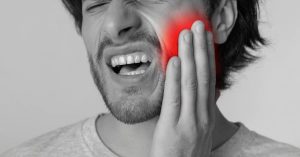
There are a few reasons why back teeth might hurt when you bite down. If your teeth are sensitive, biting down could cause pain or

A dental crown is a great way to restore a damaged or decayed tooth. Patients may think that once they get a crown, they don’t

Dental fillings are a common way to treat cavities and other minor damage to the teeth. They are usually made of composite resin or metal
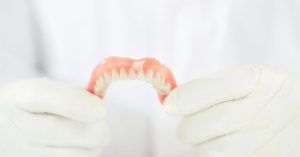
How can we make a loose lower denture fit better? A few things to consider when getting a tighter fit with your denture. The root

You might have a dental problem if you experience tooth pain and sensitivity when chewing. This could be a sign of tooth decay or a
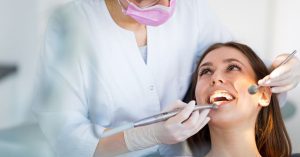
A common scam in the dental industry is unnecessary procedures. These procedures are often costly and can harm your teeth in the long run. Avoiding
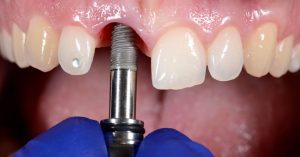
Smoking and dental implants may not be the best idea. A local periodontist explains why you can be left paying a lot for an unsuccessful

Like most people, you often don’t think about your temporomandibular joints (TMJ). But the truth is, you use them all the time. TMJ connects your
MY GUMS HAVE NEVER LOOKED BETTER!


by real users!