Tongue Biopsy: Procedure, Pain Relief, and Recovery Time Explained
A tongue biopsy is a minor surgical procedure used to remove a small sample of tissue from the tongue for laboratory analysis. If your dentist or doctor has recommended this procedure to investigate an unusual lesion, bump, or patch, it is completely normal to feel apprehensive. Understanding the tongue biopsy procedure, what to expect regarding pain, and the typical healing time can help alleviate your anxiety.
Table of Contents
ToggleThe Tongue Biopsy Procedure
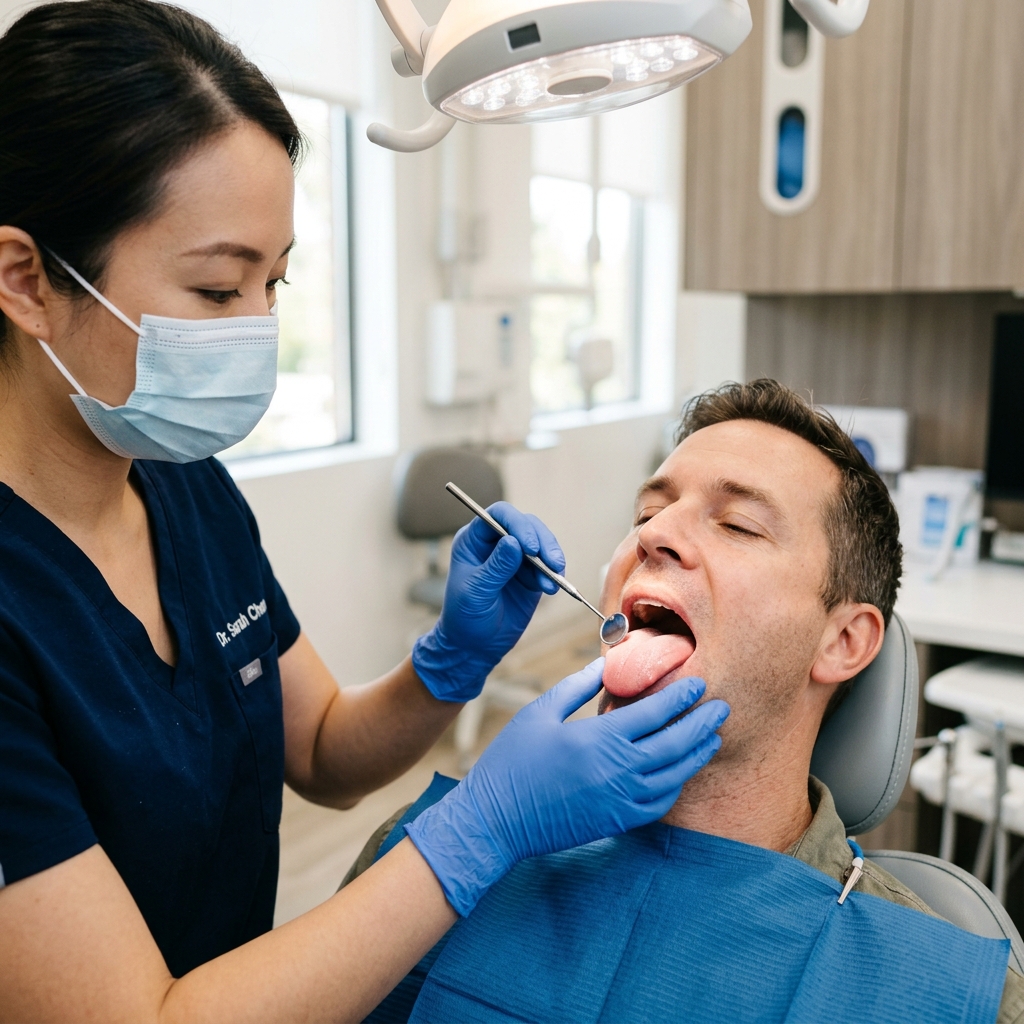
The procedure is straightforward and usually performed in a dental or oral surgery office. First, the area is numbed with a local anesthetic to ensure you don’t feel any sharp pain during the tissue removal. Depending on the type of lesion, the doctor may perform an incisional biopsy (removing a small piece) or an excisional biopsy (removing the entire lesion). The tissue is then sent to a pathology lab to check for abnormal cells. The whole process typically takes less than 30 minutes.
Managing Tongue Biopsy Pain and Finding Relief
Because of the local anesthesia, the procedure itself is relatively painless. However, once the numbing wears off, you may experience mild to moderate tongue biopsy pain or soreness. This discomfort is usually manageable with over-the-counter pain relief medications such as ibuprofen or acetaminophen. Your doctor might also recommend using a warm salt water rinse or a prescribed mouthwash to soothe the area and keep it clean. Avoid hot, spicy, or acidic foods, as these can irritate the biopsy site.
Tongue Biopsy Recovery Time
The mouth is remarkably fast at repairing itself. The initial tongue biopsy recovery time is generally quick, with most patients returning to their normal daily activities within a day or two. The tongue biopsy healing time for the incision site is typically 7 to 14 days. During this period, it’s essential to practice excellent oral hygiene, sticking to a soft-food diet for the first few days to prevent trauma to the healing tissue.
When to Call Your Doctor
While complications are rare, you should contact your oral healthcare provider if you experience severe bleeding, excessive swelling, or signs of infection such as a fever or foul discharge from the biopsy site.
If you have any concerns about an upcoming procedure or need to schedule an exam, our team is here to help.
[contact_form]
Get our latest guides, news, and insights highlighted in your Google Search & AI Overviews.