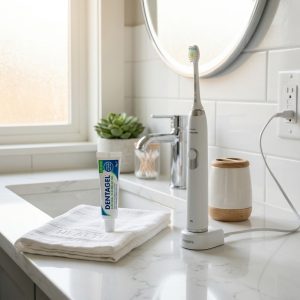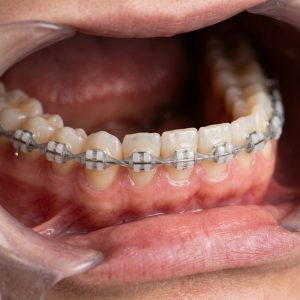
When it comes to brushing your teeth, it’s important to use toothpaste that is right for your needs. If you have braces, it’s essential to use toothpaste that will help keep your braces clean and free of plaque and bacteria. So, what is the best toothpaste for braces?
A few different types of toothpaste are designed explicitly for people with braces.
Some of the most popular types of toothpaste for braces include:
- Tartar control toothpaste
- Fluoride toothpaste
- ADA Approved Toothpaste
- Sensitivity Protection Toothpaste
Which type of toothpaste is best for braces? Ultimately, it depends on your individual needs and preferences. However, most people find that fluoride toothpaste is the best type for braces, as it helps protect teeth from cavities and decay while also helping to strengthen teeth.
If you have braces, it’s important to use toothpaste that will help keep your braces clean and free of plaque and bacteria. So, what is the best toothpaste for braces?
A few different types of toothpaste are designed explicitly for people with braces.
Some of the most popular types of toothpaste for braces include:
1.Tartar control toothpaste
Tartar control toothpaste is designed to help remove plaque and bacteria from teeth, and it can also help reduce the build-up of tartar on teeth.
2. Fluoride toothpaste
When choosing toothpaste to use while wearing braces, it is vital to ensure that it contains fluoride. Fluoride is found naturally in teeth and bones and helps protect tooth enamel. You can also use a fluoride-based mouthwash to help bolster your oral health while wearing braces.

Fluoride toothpaste is designed to help protect teeth from cavities and decay. It also helps to strengthen teeth and make them more resistant to damage.
3. ADA Approved Toothpaste
Are you looking for a toothpaste that will be gentle on your braces and keep them clean? Check for the ADA seal of approval. ADA Approved Toothpaste is a type of toothpaste tested and approved by the American Dental Association. This toothpaste is designed to be safe and effective for people with braces.
So you can feel confident that you’re getting the best dental care possible.
4. Sensitivity Protection Toothpaste
If you’re wearing braces, choosing the right toothpaste is essential. Look for one that helps with sensitivity, as many people experience this during treatment. Braces straighten your teeth, so if you’ve been experiencing tenderness for more than a week after an appointment with your orthodontist, a toothpaste for sensitive teeth may be necessary.

Sensitivity Protection toothpaste is designed for people who have sensitive teeth. This type of toothpaste can help to reduce sensitivity and protect teeth from damage.
5 Best toothpaste for people with braces

Dental hygiene can be a challenge when you have braces. Not to worry, though. With our help, it is not.
Here are some of our top toothpaste recommendations for braces:
- Sensodyne Pronamel Daily Protection Enamel Toothpaste
- Crest Toothpaste Gum Detoxify Deep Clean
- Colgate Total Toothpaste
- Colgate Cavity Protection Toothpaste with Fluoride
- Arm & Hammer CloSYS Sensitive Toothpaste
This toothpaste is specifically designed to meet the needs of those with braces and help keep your teeth healthy and clean. If you have any questions, don’t hesitate to contact us!
If you’re like most people, you probably brush your teeth twice a day. But did you know that brushing your teeth is essential even when you don’t have braces? Food particles and bacteria can still build up and cause plaque and tartar.
Luckily, some tools can help make cleaning between your braces easier. An interdental brush is a small brush that can be used to clean in between the brackets. You can also use a Waterpik or another device to send water swishing around your mouth. This will help remove any plaque or bacteria that may have built up.
Do you need more toothpaste if you have braces?
You may need more toothpaste when brushing your teeth if you have braces. This is because food particles and bacteria can build up more quickly between brackets. So be sure to use a pea-sized amount of toothpaste each time you brush. And if you’re using an interdental brush, you may need to use a little bit more toothpaste to get those hard-to-reach areas.
Is it ok to use whitening toothpaste with braces?
Yes, you can use whitening toothpaste with braces. However, it’s essential to consult with your orthodontist first. This is because some whitening toothpaste may be too abrasive for braces and can damage the enamel. So be sure to ask your orthodontist if a whitening toothpaste is right for you.
Definitely avoid using Charcoal toothpaste!
What is the healthiest toothpaste to use?

There is no one “healthiest” toothpaste to use. However, specific toothpaste may be more suitable for your needs. For example, if you have braces, you may want to use toothpaste designed for people with braces. Or, if you have sensitive teeth, you may want to use a toothpaste specifically designed for people with sensitive teeth.
Do dentists recommend crest toothpaste?
Yes, many dentists recommend Crest toothpaste. This is because Crest toothpaste is effective at removing plaque and tartar. It also contains fluoride, which helps to protect teeth from decay.
Do you need special toothpaste with braces?
Yes, you may need to use toothpaste designed for people with braces. This is because some toothpaste may be too abrasive for braces and can damage the enamel. So be sure to ask your orthodontist if a special toothpaste is right for you.
How much toothpaste do I put on braces?
A pea-sized amount of toothpaste is typically enough to clean your teeth when you have braces. However, if you’re using an interdental brush, you may need more toothpaste to get to those hard-to-reach areas.
Braces are a great way to straighten your teeth and improve your smile. However, taking good care of your teeth when you have braces is essential. This includes brushing your teeth regularly, flossing daily, and using toothpaste that is specifically designed for people with braces. By following these tips, you can help keep your teeth healthy and avoid any problems down the road.
Get our latest guides, news, and insights highlighted in your Google Search & AI Overviews.