Tooth knocked loose will it tighten back up? Yes, a loose adult tooth can often restabilize, but it heavily depends on the severity of the dental trauma and how fast you act.
Quick Answer: The Periodontal ligament (PDL) anchors your tooth like a fibrous hammock. When torn, it can heal and reattach if strictly immobilized. Never “test” the tooth by wiggling it with your tongue or fingers. Every micro-movement severs newly forming fibers and resets the healing clock. See an Emergency Dentist immediately for proper tooth stabilization.
The Biology: How a Luxated Tooth Heals
When you experience severe traumatic dental injuries, the fibrous hammock holding your tooth in place—the Periodontal ligament (PDL)—tears or stretches. This results in a luxated tooth. For the tooth to tighten back up, these torn fibers must physically reattach to the surrounding jawbone.
This process requires absolute stillness. Any wiggling, even subconsciously, disrupts periodontal ligament healing. If you leave the tooth alone, stick to soft foods, and seek prompt professional care, the body is highly efficient at repairing itself.


Modern Dental Splinting
If your tooth is significantly loose, your dentist will likely recommend dental splinting. In the past, dentists used rigid splints, but modern protocols dictate the use of a flexible splint.
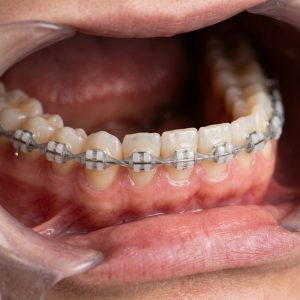
Usually made with orthodontic wire and composite resin, a flexible splint holds the tooth in place while allowing for microscopic, natural movement. According to recent tooth trauma guidelines, this slight flexibility actually stimulates better and faster PDL healing. Proper splinting also minimizes the risk of long-term complications, such as root resorption, where the body begins breaking down the tooth’s root structure.
What to Expect During Recovery
Most mildly loose teeth firm up within two to four weeks. However, in cases of severe trauma, the blood supply to the tooth’s nerve might be severed. If the nerve dies, you will eventually need root canal therapy to save the tooth, a standard procedure recognized by the American Association of Endodontists (AAE). Keep up with your dental check-ups, follow all aftercare instructions, and your smile should return to normal.
Frequently Asked Questions
Can a knocked loose tooth heal on its own?
Yes, minor looseness can heal on its own if you avoid chewing on it and do not wiggle it. However, moderate to severe mobility requires an emergency dentist’s intervention for proper splinting.
How long does it take for a loose adult tooth to tighten?
With proper tooth stabilization, it typically takes 2 to 4 weeks for the periodontal ligament to heal and the tooth to tighten back up. Severe trauma may take longer.
Should I wiggle my loose tooth to see if it’s getting tighter?
No. You should never test the tooth. Wiggling severs the new fibers trying to heal, which resets your recovery time and can ultimately cause permanent root resorption and tooth loss.
Get our latest guides, news, and insights highlighted in your Google Search & AI Overviews.