I Haven’t Brushed My Teeth in Years: What Happens Next?

Neglecting ​oral hygiene can lead to dire consequences, from persistent bad​ breath⁤ to severe tooth⁣ decay‍ and gum disease. Understanding ​the impact of years ‍without brushing is crucial, ‍as it not only affects your mouth‍ but can ⁢also contribute to overall health problems. Discover⁣ what happens to your teeth and⁣ gums when‌ proper care‍ is overlooked.

Table of Contents

Understanding the Reasons Behind Skipping Oral Hygiene

Unraveling ‌the Reasons⁣ Behind irregular Oral ‍Hygiene

Many individuals frequently enough overlook⁣ the importance of maintaining a consistent oral hygiene⁢ routine. You might be surprised to learn that ⁤a staggering number⁢ of adults admit to ⁢not brushing their teeth⁤ regularly. Understanding ​the reasons behind this phenomenon is crucial,as neglecting oral⁣ care can lead to‍ severe consequences,both​ for ⁣dental health and overall‍ well-being.

One of ​the primary factors contributing to gaps in⁢ dental hygiene is ‌*lack of⁢ knowledge*. According to ​studies,many people are simply unaware of the‍ consequences ⁣of skipping oral care. ‌This is especially true among‍ children and parents who may not⁣ receive proper oral health education in ‌dental clinics [[2]](https://pmc.ncbi.nlm.nih.gov/articles/PMC5830177/). ⁣Parents often model ⁢behaviors for⁤ their children, leading to⁤ a cycle of poor oral hygiene practices.Moreover, societal pressures and‌ negative stereotypes ‌about dental visits⁢ can create anxiety and avoidance, ⁣further exacerbating the issue.

Another meaningful reason people may avoid brushing their⁤ teeth ‍is *time constraints ‍and lifestyle factors*. Busy schedules can make‍ it challenging​ to prioritize self-care,‍ and for many, brushing can take a backseat​ amid competing responsibilities. Additionally,some individuals ​may feel ⁤overwhelmed by the array​ of dental products and recommendations available,leading to indecision and eventual neglect.

Stigma about⁣ dental ⁤issues⁣ can also play ⁤a role in this ⁤pattern. Many people may ⁤fear judgment from dental ​professionals, which can further deter ‍them from seeking help or maintaining‌ a‌ healthy routine. You may wonder what happens next⁤ when‍ oral hygiene is neglected for extended periods.⁢ The consequences ⁣can be grave,‌ ranging⁤ from bad breath​ to ⁤severe ⁢tooth decay,‌ gum disease, and systemic health⁤ issues.

To​ combat these challenges, consider implementing simple, actionable strategies:

  • Educate yourself: ‌Take time to understand the significance ⁢of oral hygiene and‌ its impact on overall health.
  • Create a Routine: Establish ⁤a daily routine for brushing⁢ and flossing that fits into your lifestyle.
  • Seek ⁤Support: engage with family‍ members or friends to prioritize collective oral health.
  • Address ⁢Anxiety: If ⁤fear of judgment holds ⁢you back, ​consider discussing⁢ your concerns with a dental professional.

By recognizing and‍ addressing‌ these underlying ⁤issues,individuals can take positive steps toward improving‌ their ⁢oral hygiene ‍and,subsequently,their overall health.

What Are the⁤ Warning Signs of Neglecting Your Teeth?

What ⁢Are the ⁣Warning‌ Signs⁣ of Neglecting Your teeth?
Neglecting your dental health can lead to​ serious and ​often irreversible consequences. While it may seem harmless⁣ to skip brushing for a few days,⁤ the longer you ignore your oral‍ hygiene, the more your ‌teeth and gums will ⁣suffer. ⁢Identifying the warning signs of dental neglect​ is​ crucial ​for timely intervention and‍ maintaining a healthy smile.

Identifying the Early ⁤Warning Signs

There are‌ several key ‌indicators that suggest you may ⁣not be taking adequate care of your ‍teeth.Here are some⁢ warning signs ⁣to watch for:

  • Persistent Bad Breath: If your breath continues to have a foul smell despite⁢ regular hygiene ⁤efforts,⁣ it may indicate underlying dental issues such as gum disease ⁢or tooth ​decay.
  • Gum Problems: symptoms like red, swollen, or bleeding gums during‌ brushing or flossing can be early signs of gum disease, ‌which requires immediate⁢ attention.
  • tooth⁢ Sensitivity: increased sensitivity​ to‍ hot ‍or cold food and drinks ⁣could suggest enamel⁤ erosion‌ or cavities, which ⁤are often neglected ⁤at the ‍initial stage.
  • Visible Decay: ⁢Dark ​spots or holes on ⁢your teeth are⁤ clear⁢ signs of neglect. Even if you feel no pain, addressing​ these issues early can prevent more ⁤severe​ damage.

If you⁤ experience ‌any of these symptoms, it’s time to rethink your dental ⁢care routine.⁢ A visit‌ to the dentist ⁤can ‍definitely help catch these problems early‍ on, ⁣preventing ⁢more extensive treatments later, which can be both costly and invasive.

Long-Term​ Consequences ‍of Neglect

Beyond ⁢immediate ‌discomfort, neglecting your teeth‍ can lead‍ to more severe health issues.⁤ Chronic‍ dental neglect can contribute to tooth loss,infections,and other systemic conditions linked ⁣to ⁤dental health. As an‍ example, untreated gum disease⁣ has‍ been ‌associated ‍with heart‌ disease and diabetes. ⁢Therefore, recognizing the warning⁤ signs of dental⁤ neglect⁢ not only protects‍ your⁣ smile but also supports ‌your overall health.

To effectively combat ⁢these​ issues,consider ‍implementing a few​ simple steps ‌to enhance your dental care routine:

StepDescription
Brush Twice⁤ DailyUse fluoride toothpaste ⁣to effectively‍ remove plaque and ‍prevent ⁣cavities.
Floss DailyFlossing‍ removes food particles and plaque from between ​teeth where ​a​ toothbrush ‌can’t ⁤reach.
Regular Dental Check-upsVisit your dentist⁢ at least ⁣twice a year for cleanings and check-ups to catch ⁢issues early.

the warning ⁣signs of neglecting ⁢your teeth can manifest in various⁣ ways. From persistent bad breath to ​visible decay, it’s imperative to pay attention​ to your oral health. By understanding​ these ⁤signs and⁣ taking actionable steps, you can avoid the chilling long-term consequences of neglect and preserve‍ the​ vitality of your smile.‍ Make it a priority to take⁣ care of your dental health for a​ healthier,​ happier future.

The Impact of Poor Dental‍ Care on Your Overall health

The Ripple Effects ⁣of Neglecting Dental Hygiene

Imagine waking up‍ one ​day to​ find ‌that ​neglecting your ‌dental care ⁢for years could have serious repercussions on your overall‍ health. Poor oral hygiene doesn’t just ⁢lead ​to⁣ cavities and bad breath; ⁣it can set off a cascade of health issues that reach far beyond your⁣ mouth. ⁢The mouth is often⁣ referred to as the‍ “gateway to health,” ‌and ‌for good reason: ‌the bacteria that flourish⁣ in neglected ‌oral environments can wreak ‌havoc​ throughout your ​body.

Research indicates that poor dental care is linked ⁤to several chronic ⁣conditions, including ‍heart‌ disease ‌and diabetes. when plaque and⁢ tartar ⁣accumulate, they ⁣can lead to⁤ gum disease, which has been associated with inflammation‍ and increased risk⁤ of cardiovascular issues. This​ is not just about‌ gum pain; it’s about understanding how ‌oral health can have cascading effects on your heart‌ and entire vascular system. Regular dental hygiene—brushing, flossing, and ⁢professional check-ups—can considerably reduce these risks by ​maintaining a healthy oral⁣ microbiome, preventing bacteria‌ from entering ‌the bloodstream and causing systemic issues.Moreover, the connections between oral ‍health and mental well-being⁤ are increasingly evident. Chronic oral⁣ health ⁣problems can lead to pain, discomfort, and self-esteem issues,‍ affecting‌ one’s ability to socialize‌ or engage​ in everyday activities. ⁤As ​studies show, individuals suffering from poor ⁤oral health may experience higher levels ⁤of ‌anxiety‌ and​ depression,⁣ further compounding their situation. Therefore,maintaining strong dental care habits‍ serves as a foundational⁤ element not⁣ just ⁤for a beautiful smile,but also⁤ for mental wellness.

To underscore these‌ connections, consider⁤ the ‌following table which summarizes the potential‍ health consequences of poor dental care:

Health ConditionImpact ‍of Poor Dental Care
Heart DiseaseIncreased risk ‌due to‍ bacteria entering ⁣the bloodstream causing inflammation
diabetesgum disease ⁤can ‌make blood sugar harder to control
Respiratory InfectionsOral bacteria can be inhaled into the lungs, leading‍ to infections
Alzheimer’s⁣ DiseaseLinks between gum⁣ disease and increased brain inflammation

the ​ramifications⁢ of choosing to disregard dental ‍hygiene are profound and‌ varied.By‌ recognizing that neglecting your teeth doesn’t just cost you​ a pretty smile, but ⁤may also ​jeopardize your‍ overall health, you⁢ can⁢ take actionable steps to improve your oral‌ care routine. Brushing ‍twice a day, ‍flossing daily, and⁣ scheduling ​regular dental appointments⁢ could be the difference between‌ health and illness as you ‌move forward.

Steps to Take if‌ You Haven’t Brushed in a While

Steps to Take ⁤if You ⁤Haven't Brushed in‍ a While

Essential ⁤Steps to Revitalize Your Oral⁢ Health

Did⁣ you know that‌ neglecting⁢ your dental hygiene⁣ can lead to more than just a⁤ bad breath? Oral health significantly⁢ impacts your overall‍ well-being, ⁤and‍ if you⁣ find yourself in ⁣a situation where you haven’t​ brushed ​your⁢ teeth in years, it’s time to take immediate action. regaining your oral health is ⁣a ‍journey ‌that requires commitment, but with ⁢the ⁣right steps, you can turn⁤ things around.

  • schedule a Dental Appointment: The first ‍step in tackling ⁢the⁤ aftermath of infrequent brushing⁣ is to consult with a ‍dental⁣ professional.A thorough examination ‌will help address any ⁤serious issues, such as ⁤cavities or gum ⁢disease, that may ⁣have developed‍ over time.
  • Develop a Brushing Routine: Once you’ve gotten​ the green light from your ‍dentist, establish a daily brushing routine.Commit to ⁤brushing‍ twice ‌a day with fluoride ⁤toothpaste ‍to‌ effectively remove plaque​ and ⁤prevent ⁤decay.
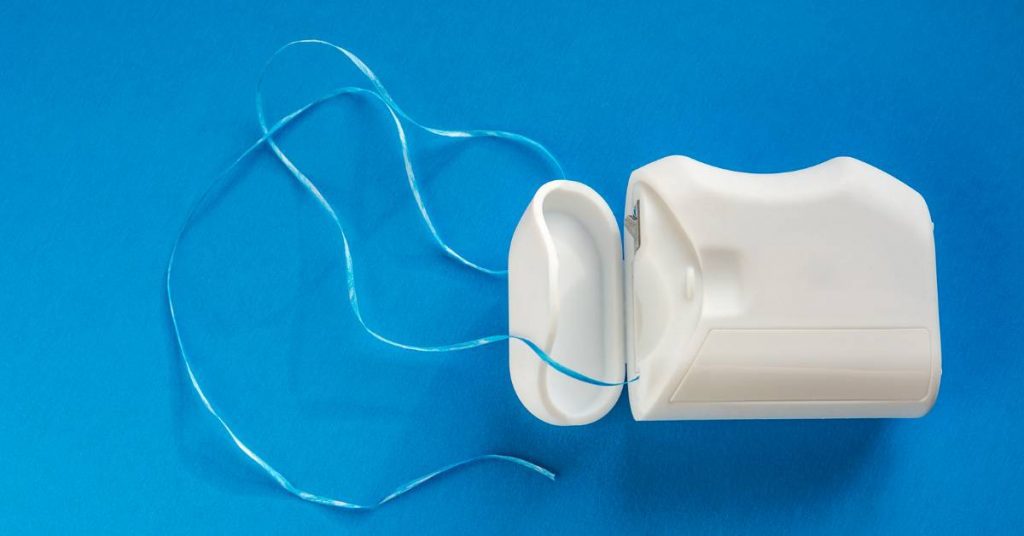
  • Incorporate Flossing: Flossing should be a⁣ non-negotiable part ‌of your dental care. it helps remove food particles and⁣ plaque from between‌ the teeth,​ which brushing alone cannot reach. Aim to‌ floss​ at least once a day.
  • Consider Mouthwash: Using an ‍antibacterial mouthwash can ⁢provide extra protection against bacteria and help freshen your breath.‍ Look for therapeutic​ mouthwash options that contain fluoride.

Create a ​Sustainable Dental Care Plan

Once you’ve⁣ initiated a ⁢regular brushing and flossing routine, it’s essential to stick to it. ​Your oral health is a​ long-term ⁣commitment. Consider setting reminders on your phone or ‍marking your ⁢calendar to⁣ ensure you don’t⁤ skip⁤ your daily ‌dental ⁢care.

Action StepFrequencyNotes
Brush TeethTwice a dayUse ⁣fluoride toothpaste
FlossOnce a dayConsider ​using floss ⁣picks for⁢ ease
MouthwashOnce a dayUse after brushing⁣ and ​flossing
Dental CheckupEvery 6⁤ monthsAdjust frequency ​based ​on dentist’s advice

By committing ‍to this new regime and prioritizing your ⁣oral hygiene, you can ​reverse the consequences of neglecting your teeth. Remember, ‌your mouth serves as a gateway to your body,​ and maintaining its‍ health can lead to a happier, healthier life. If ‌you​ find yourself ⁣overwhelmed, don’t hesitate⁤ to ask for ⁣help from​ your ‌dentist on ‌how to ⁣best manage your dental care moving forward.‌ Engaging with your oral health effectively‌ can truly change the narrative if​ you haven’t brushed your teeth in years.

Simple Tips for Reintroducing a Healthy Oral Hygiene Routine

Kickstarting Your Oral Hygiene Routine

Imagine⁣ how ⁣refreshing it‍ woudl feel to reclaim a healthy smile after‍ years of neglect. If⁤ you find yourself thinking, “I haven’t brushed my​ teeth⁢ in‍ years: what happens next?” you are not ‍alone. the ⁣journey back to proper ‍oral hygiene can seem⁣ daunting, but with⁤ a few straightforward strategies, ⁢you‍ can⁤ rebuild ⁤your ‌routine ⁤and ⁤enjoy‌ better dental‌ health.To start, consistency ​is key. aim to ⁤brush your teeth ⁢at least twice a day. This simple step will help remove plaque ⁢and food ​particles,⁣ preventing‍ the buildup of harmful bacteria.‌ When brushing, use ‌a fluoride⁣ toothpaste and ensure you spend at‌ least two minutes each time. Don’t forget to replace your toothbrush every three ‌to four months or sooner if‌ it shows signs of wear. ⁣Your toothbrush ⁤is your first‌ line of defence against ​cavities and gum disease,so make⁢ sure it’s effective.

  • Choose the Right Tools: Select ‍a ⁤toothbrush ⁣that suits your ⁣needs—soft⁣ bristles are generally recommended‌ to minimize gum‍ damage.
  • Don’t Skip the Floss: flossing daily is ‍crucial for cleaning between​ your teeth where​ your toothbrush can’t reach.
  • Consider Mouthwash: Use an antibacterial ‌mouthwash to further‍ reduce plaque and bacteria.

Building ⁢a Routine

Reestablishing ‌a regular ​oral hygiene routine doesn’t have to be overwhelming. start with ⁢small, manageable ‌changes. Set reminders on your phone to brush ‍and​ floss;‍ even a⁢ simple note⁤ on your ‌bathroom mirror can nudge you to maintain ‍your new‍ habits. If you struggle to maintain enthusiasm ⁣for brushing, ⁤try different flavors of toothpaste or invest in⁣ an electric toothbrush ​that makes⁢ the⁢ process more ‌enjoyable and effective.In the ⁣beginning, you may notice some discomfort or ‌sensitivity.This ⁤is your body adjusting to a more rigorous‍ hygiene⁤ practice. ⁢If ‌the discomfort⁣ persists, ⁣it might potentially be wise to consult with a dentist. Regular check-ups are ‌essential, especially after a long break from brushing. A professional cleaning⁢ can set a solid ‍foundation for your oral health journey, ​allowing you to address any lingering issues, like⁢ plaque buildup⁤ or cavities.

Action StepFrequencyTips
Brush ⁣teethtwice dailyAt least 2 minutes ‌each time
FlossOnce dailyBefore brushing for best‌ results
MouthwashOnce dailyChoose an antibacterial option
Dental check-upsEvery 6⁣ monthsRegular cleanings can prevent major issues

By understanding that overcoming the ​hiatus‌ in your oral hygiene is a process, you​ can gradually cultivate‍ a healthy routine. Incorporating these simple​ tips will ‍transform ⁤the question “I haven’t brushed⁢ my teeth in years: what happens next?” into a proactive approach​ to your dental health, allowing‍ you to ⁢smile‍ confidently again.

How Professional​ Dental Help Can Make a⁣ Difference

Understanding ⁤the Impact of Professional Dental Care

Have you‌ ever wondered what could happen if dental hygiene ⁢is neglected for extended ⁢periods? If ​you haven’t ‌brushed your teeth in years,​ you may face ⁢a cascade⁢ of serious oral ‍health issues, ranging‍ from​ bad breath to gum disease, ⁢and even tooth ‍decay. Fortunately, seeking professional⁤ dental help‌ can ‍turn this situation ⁣around and offer profound benefits for your ‍overall⁢ health and well-being.

Visiting a dentist is more than just a ⁣routine check-up; it’s a⁣ crucial step toward⁣ reclaiming your dental health. Professional dental examinations⁢ provide an prospect to identify issues that ‌you may not notice on‍ your own, ⁢such as cavities or early signs of gum disease.⁤ Regular cleanings will help remove⁤ plaque⁤ and tartar⁣ buildup that at-home care often ⁣misses. This proactive‌ approach ⁤not ‍only enhances your smile but​ also ⁤prevents the escalation ⁤of ‌more severe health problems down the line.

  • enhanced Oral Hygiene: Dentists employ specialized tools and techniques that effectively ⁣remove hardened ⁢plaque, giving you⁤ a⁢ cleaner mouth.
  • Education on Proper Care: Professionals can‌ guide you on best practices ⁤for brushing and flossing, ensuring that your‍ home⁢ care routine is⁣ effective.
  • Early Detection:‍ Issues like cavities​ and periodontal ⁤disease can be ⁤caught early, allowing ⁢for less invasive‌ and more‌ effective ⁣treatment options.
  • Improved Aesthetic Outcomes: ⁢Beyond health, ‍dental interventions can significantly enhance your smile, giving ‌you greater confidence⁤ in social settings.

Real-World transformations

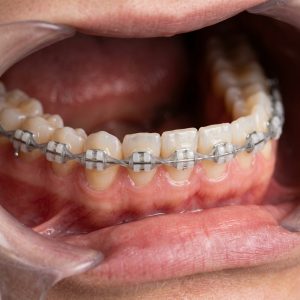
Many individuals have experienced‌ life-changing‍ benefits after regular ‌dental care ‌restoration. for‌ example,‌ patients‌ suffering ⁢from chronic bad⁢ breath (halitosis) often find that professional cleanings and tailored​ oral hygiene advice rectify their condition quickly. Moreover, those⁢ who have⁢ undergone orthodontic‌ treatments post-neglect can visibly notice straighter, healthier teeth after dedicated⁣ efforts⁣ with their dental teams.

while having neglected‍ your dental hygiene can lead ⁤to severe issues, professional help ‌can manage‍ and reverse many⁢ of​ these⁣ consequences. By engaging with dental professionals, you ⁢not ‍only address immediate concerns ‌but also lay the groundwork ‌for ‌a healthier⁤ future. Regular visits ⁤serve as a ⁢vital investment in your oral health and⁢ overall quality of‌ life.

Ways‍ to⁤ Motivate ‌Yourself to Maintain Good⁤ Oral Hygiene

Did you⁣ know that neglecting your oral‍ hygiene can lead to⁢ serious health​ issues, both in your mouth ⁣and throughout your​ body? If you’ve found yourself reflecting on your dental ​habits, especially if you identify with the experience of not brushing for an extended ‍period, you’re not alone. Fortunately,regaining control⁤ over your ​oral health is absolutely possible. Here are effective‍ .

Understand the Consequences

One of ⁣the ⁤strongest motivators‌ can be knowledge. ⁣Understanding what happens‍ when ‍dental care is ignored can ​be​ a powerful catalyst for change. As an example,prolonged‌ neglect can lead to bad breath,cavities,gum ‌disease,and⁤ even tooth loss. This⁤ not only has aesthetic implications ⁢but can also⁢ result in pain,​ increased medical⁤ costs, and⁣ diminished self-esteem. By familiarizing ⁣yourself with these potential⁢ outcomes,‍ you can​ create a sense of urgency ⁣around dental hygiene that may ‍inspire consistent brushing ⁢and flossing.

Set Achievable goals

Creating⁣ specific,​ measurable ⁢goals can‌ significantly enhance⁤ your motivation. Start small—aim to brush twice a day ⁢for⁤ a week and ‍gradually ⁣incorporate flossing and mouthwash into your routine.Celebrate‌ these small wins;⁢ they build ⁢momentum⁢ and foster a positive attitude ⁣toward your efforts. Consider keeping a daily log to track⁤ your brushing and flossing habits. This ⁣can definitely help reinforce your commitment and⁤ highlight progress, acting as​ a tangible reminder of​ your journey from the painful realities⁤ of neglecting your teeth, as mentioned in “I Haven’t‍ Brushed My teeth in Years: What ‍Happens Next?”

Make‌ It Enjoyable

Finding joy in your dental​ routine‌ can dramatically improve your motivation. Choose⁤ a toothbrush and toothpaste‌ flavor that you genuinely ‍like.​ Listening to your favorite music or a podcast while brushing can make the‍ process feel less like⁢ a chore. Additionally, exploring motivational tools like reward systems can assist​ in developing⁣ a ⁢habit. ‍For instance, promise yourself⁢ a small⁢ treat ⁤after a‌ month of ‍consistent brushing, ⁣as ‌this⁣ positive reinforcement ‍can strengthen your‌ resolve.

Involve others

Surrounding yourself with supportive people can also serve as a ‌great motivator. Share​ your goals ​with friends ‌or family members‍ who can encourage you along the way. Joining ⁢a health-focused group or participating in social ⁢media communities where members ​share their ‌oral health journeys can provide ⁣additional motivation‍ and ‍accountability. This environment can inspire ⁢you to ⁢commit to better oral⁤ care‌ practices, especially if you’ve struggled⁣ with⁤ them in the⁢ past.

Incorporating these⁤ strategies into your daily‍ routine will help⁤ you transition from⁤ a ‍place of neglect to a proactive approach to your oral health. Embrace​ these actionable steps, and remember, ​every small effort counts in your journey to better health and‍ wellness.

Common⁤ Myths About Brushing and Dental ⁤Care Debunked

The world of ‌dental care is rife with misconceptions that can ⁢sometimes lead ⁣to significant health risks. ⁤One ⁢prevalent‌ myth is that if ⁤you don’t ​feel ⁢pain or notice⁣ visible decay,​ your oral hygiene routine is sufficient.‌ However, neglecting regular brushing‌ and​ professional dental check-ups can result in silent but severe‌ consequences. This is especially relevant for those ⁤who might say, “I haven’t brushed ⁤my teeth in years:‍ what ​happens next?” Understanding the truth‌ behind common myths can empower you to take control of ⁤your dental health.

Myth #1: “Brushing Less is Okay if There’s No pain”

Many people wait for symptoms like⁢ pain or swelling before prioritizing dental care,believing ⁢that⁤ a lack of discomfort means their ⁤teeth are‌ fine.‍ This is ⁣a ⁤risky assumption. Dental issues frequently enough develop without noticeable symptoms until they become advanced. Regular brushing‍ helps⁣ prevent ⁤plaque⁣ buildup⁢ and decay.‌ A key fact‍ to remember is that periodontal diseases can​ progress silently and lead to⁤ tooth loss, ‍as well as affect overall health. Therefore, even⁤ if⁢ you feel fine, maintaining a diligent brushing ‍routine is essential.

Myth #2:⁤ “I Don’t ⁤Need to See a Dentist Unless ⁤There’s a Problem”

Another common misconception is that routine⁤ dental visits are needless unless one has an issue. In​ reality, preventive care​ is vital for⁢ maintaining oral⁣ health. According to ⁢some dental professionals, waiting until a problem arises can lead​ to more complex and expensive treatments down the ⁣line, ⁤not to ‍mention⁣ the‍ pain and discomfort. Regular check-ups⁢ can detect ⁢early signs ⁢of decay or gum disease, allowing for less invasive and costly⁢ treatments. Indeed, some individuals might need check-ups more frequently than the standard six-month guideline depending on their specific ⁢oral health ‍needs[[2](https://www.healthpartners.com/ucm/groups/public/@hp/@public/documents/documents/cntrb_035155.pdf)].

Myth ⁣#3: “All‌ Toothpaste ⁣is ​the Same”

It’s⁢ easy to assume ‍that ⁤any ⁤toothpaste will do‍ the job, but ⁤not all toothpaste offers the same‍ benefits. Some​ formulations are‍ designed for specific ⁤needs—be it sensitivity, ⁣whitening, or for children’s use.‌ In truth,selecting the right ​toothpaste can make a significant difference in maintaining‍ your dental hygiene. Always look for ​products⁢ that contain fluoride, as⁣ it ⁤significantly helps in preventing cavities.⁣ Understanding⁢ the ⁢unique functions of various toothpaste can enhance⁤ your oral care routine, especially⁢ crucial for ‌those reflecting on ⁣past neglect,⁤ such as saying, “I⁢ haven’t brushed my teeth in⁤ years: what happens next?”

Practical ⁣Steps for Improving⁤ Dental Health

To combat these myths and improve your dental ​habits:

  • Brush your teeth twice a​ day: Aim for at least two minutes each time, using a‍ fluoride ⁢toothpaste.
  • Floss ​daily: This step is crucial for removing food particles and plaque between ⁢teeth, where ​brushes can’t reach.
  • Visit your dentist regularly: ⁢Schedule check-ups at intervals recommended by your⁤ dentist based on your oral ⁣health.
  • Educate ⁣yourself: Stay informed about dental care practices and ‍products ⁤to make better choices.

Breaking away ⁤from myths surrounding dental‌ care is essential for maintaining a healthy mouth. The journey from⁤ not brushing for⁣ years to ⁢a consistent oral⁣ hygiene routine ‌can feel daunting, ⁢but with actionable insights, it’s entirely achievable. Embrace the facts and prioritize your dental⁣ health today! ‌

FAQ

What are the⁣ immediate⁤ consequences of not ⁤brushing ⁤my ⁤teeth for years?

Not brushing your teeth for several years leads to ​a ‍range ⁣of immediate consequences. The most⁤ evident effect is the accumulation‍ of ⁣plaque, ‍a soft,⁢ sticky substance made ​of bacteria. ⁣When plaque builds​ up without removal through brushing, ⁤it hardens into⁤ tartar,‍ which can ‌only be⁤ eliminated by a dental⁤ professional. This buildup creates an environment ripe ⁣for cavities and gum disease.Another immediate result is bad⁢ breath, or ​halitosis. ‌The bacteria⁤ that⁢ thrive in ‍a mouth that hasn’t been‍ cleaned can produce ⁢sulfur ⁣compounds,‍ leading to an‌ unpleasant​ odor. Over time, gums can also become inflamed, resulting in gingivitis, which is characterized by ⁤redness, swelling, and bleeding when brushing or flossing. According to dental health‌ guidelines,‍ regular brushing and flossing‍ are⁣ crucial to ⁣maintaining ⁢fresh breath‌ and healthy gums.

How does⁢ neglecting oral hygiene‍ affect⁢ my teeth?

The long-term neglect of oral hygiene leads​ to‍ serious dental issues, primarily tooth decay and loss. ⁤When you‍ don’t⁢ brush, bacteria feed on the sugars ​and ⁢food particles left‌ on ⁤your teeth, ⁢producing acids ⁤that⁤ erode tooth enamel.This ⁤can‍ result ‍in cavities,⁢ which, if ​left untreated, may lead to⁢ the​ need‍ for fillings or even root canals.

As tooth decay⁣ progresses, you​ may ​experience pain ⁢and sensitivity. in severe cases,⁣ a​ tooth may abscess and require extraction. The loss of teeth impacts not just your appearance but⁣ also your ability⁤ to chew food properly, ‌which⁢ can⁢ lead​ to nutritional deficiencies. ‍Maintaining your oral ⁣health ⁤is critical; brushing at least twice ‌a day helps⁤ keep⁣ these risks at bay.

What are the ⁣risks of gum disease from not brushing my‌ teeth?

Gum disease is one of the most significant⁣ risks associated ​with not brushing‍ your teeth. It begins with gingivitis,which is characterized by gum inflammation. If ignored,‍ it‌ can ‍progress to periodontitis, ⁣where‍ the⁤ gums pull away from the teeth, creating pockets of infection. ​This can result in bone loss and⁤ the ⁤eventual ⁢loss of teeth.

Research‌ has indicated that individuals‍ with gum disease are more susceptible to overall health problems, including ⁢heart disease and diabetes. This connection‍ arises⁢ as oral bacteria can enter ⁤the bloodstream and affect other parts of the‍ body. Good oral hygiene is‍ essential ⁢not just for⁣ your mouth ⁤but ⁣for your general health as well. Daily brushing and regular dental visits are ⁣crucial in preventing gum disease and ​its‍ far-reaching ​consequences.

Can ‍poor oral hygiene affect my overall health?

Absolutely. Poor oral hygiene can‌ significantly​ impact your overall health. Studies have demonstrated that there is‍ a link between oral health and‌ systemic conditions such as cardiovascular disease, respiratory infections, and ⁣diabetes.When‌ bacteria from the mouth enter the bloodstream, ‌they ​can travel to the ​heart, increasing the risk‌ of heart disease ⁤and other‍ serious conditions.Moreover, neglecting oral⁤ care​ can‍ contribute⁤ to inflammatory⁢ processes throughout⁣ the body.⁣ For instance, the presence of ​gum disease has been ⁢associated with increased systemic inflammation, which can worsen ⁤chronic ​health issues, including ‍Alzheimer’s disease and arthritis.‌ Prioritizing oral hygiene not only boosts ⁤your smile but ⁣also‍ enhances your overall health and ⁣well-being.

How can I restore my oral health ⁢after ⁤years⁤ of ‌neglect?

Restoring ⁢your oral health after years ​of ⁣neglect requires ⁤a structured plan. First, schedule an appointment with⁤ a ⁤dentist who ​can assess your ‌situation. They will likely recommend a thorough‌ cleaning to remove tartar buildup and⁤ address any existing dental‍ issues, such ‌as cavities or ⁤gum disease. Following professional care, it’s ⁢crucial to establish a regular brushing routine—twice a day is optimal, along with daily flossing‌ to remove ⁣plaque from hard-to-reach areas.

In addition to brushing and flossing, consider ‌adopting a ⁣balanced⁣ diet rich in vitamins and ‍minerals that support dental health. ⁢Foods high in calcium and vitamin​ D, ⁣such as dairy‌ products and leafy greens, can strengthen your teeth and bones. Staying hydrated and avoiding excessive sugary snacks will also help ‍improve your oral‌ environment. Over ⁢time, with ⁣dedication to your dental⁢ care, you can regain a healthier ⁢mouth and ⁢smile.

What⁣ lifestyle changes should⁤ I consider ⁣to improve⁣ my ⁢dental⁣ hygiene?

Improving ⁣your dental ​hygiene often involves adopting several lifestyle changes.⁤ First and foremost, ‌make⁣ it‍ a habit to brush your teeth ‍at least ⁢twice a day⁢ with ⁤fluoride toothpaste,‍ which helps to‍ remineralize ⁢enamel and protect against cavities. Don’t forget to floss daily; this ⁣helps remove⁣ food particles and plaque from between your ‌teeth ​where your ⁢toothbrush can’t reach.Incorporating‍ regular dental ⁣visits ⁤into your‍ routine—typically every six months—is essential. A dentist can provide professional ⁢cleanings and⁤ detect potential issues⁢ early ⁣on. Additionally, consider ⁣lifestyle factors such as diet: reduce ‌consumption of⁣ sugary foods and beverages, ⁢and‍ increase intake of fruits and⁢ vegetables‌ that can naturally clean ​your teeth as you eat. Lastly, ‌avoid ⁢tobacco products; smoking can exacerbate gum⁣ disease ⁣and lead ​to ⁣oral cancers. By making ‌these changes, you ​can significantly‌ enhance ​your oral ⁢health and overall ⁢well-being.

In Summary

Conclusion: Understanding the Impact of Neglecting⁤ Oral Hygiene

We’ve explored‍ the significant ‍consequences of ⁢not brushing your teeth for years. ⁤Here’s a‌ speedy⁣ recap of what happens ⁢next:

  • Dental ​Decay: Without regular brushing, plaque⁤ builds ‍up, leading to cavities and tooth decay.
  • Gum‍ Disease: Neglecting oral​ hygiene can​ cause gum⁢ inflammation, leading to gingivitis ​and ​potentially ⁤serious ⁢periodontal disease.
  • Bad Breath:​ Accumulation of bacteria can ‍result in ⁤persistent bad breath, ‍affecting social interactions and self-esteem.
  • Overall Health Risks: poor oral hygiene⁤ is linked​ to broader health ‌issues, including⁢ heart⁣ disease and diabetes.

Take Action!

Don’t wait for irreversible damage! If you or someone you know has been neglecting their teeth,⁤ it’s never too late ​to​ start caring for your ​oral‌ health. Here ⁢are ⁢some⁢ steps to consider:

  1. Visit a Dentist: Schedule a ⁤check-up to assess your dental health and get professional ⁤advice⁤ tailored to your situation.
  2. Develop⁤ a Routine: Start brushing your⁤ teeth twice ‍daily and incorporate flossing to remove‌ food particles‌ and ⁣plaque.
  3. Stay⁢ Informed: Educate yourself about oral hygiene practices and‌ their benefits by exploring more resources.

We hope this article has ‍shed⁢ light on⁢ the importance‍ of dental care. ‍If you ‍found this details helpful, consider reading further on​ related topics such as​ effective‌ dental hygiene practices,⁤ the ‌role of diet in oral ‍health,⁣ and more. Your smile deserves the best care!

We will be happy to hear your thoughts

      Leave a reply

      What if everything you've been told about dental health is wrong?
      The Strange Dental Discovery That Has Dentists Worried
      A shocking new study in Springer Nature publication found that good teeth have nothing to do with avoiding sugar or brushing harder... but everything to do with this one overlooked factor in your mouth. Watch this presentation to discover why ProDentim's 3.5 billion probiotics are transforming dental health nationwide...
      Overlay Image
      PlantationSmiles.com
      Logo