Encountering food stuck between your teeth can be not only frustrating but also harmful to your oral health. This common issue can lead to plaque buildup, cavities, and gum disease if not addressed promptly. discovering effective solutions is essential for maintaining a healthy smile and ensuring that mealtime remains an enjoyable experience.
Understanding Why Food Gets Stuck: Common Causes Explained
Have you ever found yourself in an awkward situation,unable to dislodge a stubborn piece of food from between your teeth? You’re not alone—many experience this frustrating problem daily. Various factors contribute to food getting stuck, making it important to understand the underlying causes so you can find effective solutions.
- Food Texture and Composition: Certain foods are simply more prone to getting wedged between teeth. Sticky items, such as caramel or certain types of bread, tend to cling to dental surfaces, creating persistent problems. Similarly, fibrous foods like celery can snag in the crevices of your teeth, leading to discomfort.
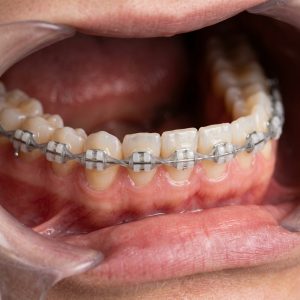
- Tooth alignment: Misaligned teeth or gaps can exacerbate the issue. When teeth do not fit snugly together, food particles have more space to get lodged. If you notice this occurrence frequently enough, it might be worth consulting a dentist for possible orthodontic solutions.
- Dental Restorations: fillings, crowns, and bridges can also contribute to food traps. If any of these dental fixtures are not properly fitted, they can create small gaps that allow food to become stuck more easily. Regular dental check-ups can help identify and correct such issues before they become serious.
- Oral Hygiene Practices: Inadequate brushing and flossing can leave food particles caught in hard-to-reach places. If you’re struggling with food stuck between your teeth, it’s essential to evaluate your oral hygiene routine. Ensure you’re brushing at least twice a day and incorporating flossing to remove trapped debris.
Understanding these common causes is crucial for addressing the problem effectively. By identifying the factors that lead to food becoming trapped, you can implement better oral care strategies and make informed decisions regarding dental treatments. If you’re still struggling with stubborn food residues, the article on effective solutions may provide valuable insights into managing this inconvenient situation. Whether it’s adjusting your diet or enhancing your dental care regimen,proactive steps can alleviate the discomfort associated with food getting stuck in your teeth.
Recognizing the Signs: How to Know If Food Is Trapped in Your Teeth
Recognizing when food is trapped between your teeth is crucial for maintaining oral health and preventing complications like tooth decay or gum disease. While it can be easy to overlook, several signs can alert you to the presence of unwanted debris that needs attention.
Common Indicators of Food Trapping
Perhaps the most noticeable sign that food is stuck in your teeth is persistent discomfort. If you feel a pressure or discomfort in specific areas when chewing, it could be a tell-tale sign.Other visual and tactile indicators include:
- Discoloration around the gums: Look for dark spots or discoloration at the gum line, which might indicate food particles are wedged in tight spaces.
- Foul odor: A bad smell in your mouth can be a strong indicator that bacteria are thriving on trapped food.
- Change in taste: An unusual taste or a metallic flavor can signify that food remains stuck and is beginning to decay.
In some cases, individuals may experience heightened sensitivity in certain teeth, often accompanied by localized swelling or redness in the gums—clear indications that food may be caught between the teeth and causing irritation or inflammation.
Effective Techniques for Detection
To regularly monitor for food traps, adopting a proactive dental hygiene routine is beneficial. Here are some practical tips:
- Regular Flossing: Flossing daily allows you to check for and remove any food particles that are not easily seen or felt.
- Interdental Brushes: Using interdental brushes can definitely help check for and eliminate trapped food quickly, especially in hard-to-reach spaces.
- Rinsing with Water: Simply rinsing your mouth vigorously can sometimes dislodge debris, helping you recognize areas that require further cleaning.
It is indeed crucial to remain vigilant; if you frequently find that food gets trapped, consulting your dentist might be a wise decision. They can assess for underlying issues such as cavities or gaps between teeth that may need professional intervention. Knowing how to detect these signs can help prevent problems associated with not being able to get food out of your teeth effectively, thereby maintaining a healthy smile. Consistent care and observation pave the way for a healthier oral environment.
Simple Home Remedies: Effective Ways to Remove Stuck Food
When food gets lodged in your throat or even stuck between your teeth, it can cause notable discomfort and distraction. Thankfully, there are several simple home remedies that can help relieve this annoyance effectively. With a few practical approaches, you can often dislodge the stubborn morsels without needing to seek out professional assistance.
Hydration is Key
One of the most effective remedies is hydration. Drinking water can provide immediate relief by washing down the food particles lodged in your throat or stuck between your teeth.A few sips of plain water or even warm water can help create the necessary lubrication to slide the food down. Additionally, you might find that carbonated beverages can be particularly effective due to their effervescent nature, which might help to break apart any stubborn bits [1].
Utilizing Household Items
If water alone doesn’t do the trick, consider some common household items that may assist in relieving the discomfort:
- Salt Water: Gargling with warm salt water can not only help to dislodge food stuck in your throat but can also soothe any associated irritation.
- Oil or Butter: Taking a teaspoon of oil (like olive or coconut) or butter can help coat your throat, making it easier for stuck food to slide down.
- Chewing Gum: if you have food stuck in your teeth, chewing sugar-free gum can stimulate saliva production, aiding in loosening the debris and making it easier to remove.
For situations were these remedies do not provide relief, you might want to employ cumbersome techniques like gentle coughing or even using your finger to reach in and remove the food, but this should be done with caution to avoid injury.
When to Seek Help
While most occurrences of food getting stuck can be resolved with these simple remedies, it’s essential to recognize when medical assistance is necessary. If you experience severe pain, difficulty breathing, or if the sensation of food being stuck persists for several hours despite trying these methods, it’s crucial to consult a healthcare professional immediately [3].
incorporating these strategies into your routine can help ensure you stay comfortable and free from the frustration of food stuck in your throat or teeth. Remember, being proactive with your eating habits, such as chewing food thoroughly and drinking enough liquids, can also significantly reduce the chances of these annoyances occurring in the first place.
Dental Tools You Should Consider: What Works Best for Your Smile
Essential dental Tools for Maintaining Your Smile
Did you know that nearly 80% of Americans experience food getting stuck in their teeth at some point? This common annoyance not only affects your comfort but can also lead to oral health issues if not addressed properly. Fortunately, there are a variety of dental tools designed specifically to tackle this problem and enhance your daily oral hygiene routine. Understanding which tools work best for your smile can make a significant difference in your dental care.
When it comes to removing food debris effectively, consider incorporating the following tools into your daily routine:
- Interdental Brushes: These small, flexible brushes are excellent for cleaning between teeth where conventional toothbrushes may fall short.their design allows for easy maneuvering around tight spaces, effectively dislodging food particles and plaque.
- Floss picks: Flossing is crucial for oral health, and using floss picks can simplify the process. These convenient, disposable tools make it easier to reach back teeth and ensure that your oral hygiene routine is fast and effective.
- water Flossers: For those who prefer a gentler approach, water flossers utilize a stream of pulsating water to remove debris and plaque. They’re particularly useful for individuals with braces or dental work, as they navigate around appliances without the risk of damage.
- Dental Mirrors: Having a dental mirror at home can be surprisingly helpful. It allows you to inspect your mouth more closely, helping identify areas that need extra attention, especially after meals.
These tools not only help in resolving the frustration of food stuck in your teeth but also play a vital role in preventing potential dental issues down the road. Such as, research indicates that users of interdental brushes may see a marked decrease in gum disease due to their effectiveness in removing plaque compared to traditional flossing.
In addition, it’s certainly worth noting that no single tool is a one-size-fits-all solution. Depending on your unique dental or orthodontic needs, some tools may work better for you than others. A conversation with your dentist can provide personalized recommendations based on your oral care habits. By integrating the right dental tools into your routine, you can take proactive steps toward achieving and maintaining a healthy, beautiful smile, making those pesky issues of food getting stuck a thing of the past.
Prevention Is Key: Tips to Avoid Food Getting Stuck in the First Place
Did you know that over 80% of adults experience food becoming lodged between their teeth at some point in their lives? This common issue can lead to discomfort and dental complications if not addressed properly. To sidestep this annoying predicament, it’s essential to adopt preventive measures in your daily routine.
Choose the Right Foods
The types of foods you consume can significantly influence how often you encounter food stuck in your teeth. Some foods are more likely to cling to dental surfaces. Here are a few practical tips:
- Avoid sticky foods: Gum, caramel, and dried fruits can easily adhere to your teeth and promote trapping.
- Opt for firmer foods: Crunchy vegetables like carrots or apples not only help clean your teeth as you eat but also stimulate your gums.
- Incorporate dairy products: Cheese can help coat teeth and reduce the likelihood of food particles sticking.
Master Your Oral Hygiene Routine
In addition to mindful eating, establishing an effective oral hygiene routine is crucial. Make sure to brush and floss regularly, as this not only removes food residue but also helps prevent the buildup of plaque that can exacerbate the problem:
- Brush effectively: Ensure you are brushing for at least two minutes, using a soft-bristled toothbrush to clean all surfaces of your teeth.
- Floss daily: Incorporate flossing into your routine to clean between your teeth where a toothbrush cannot reach.
Timing Matters
It’s also beneficial to time your routine around meals. Brushing immediately after eating might not always be feasible or advisable, especially after consuming acidic foods. Rather, consider rinsing your mouth with water to dislodge food particles before you brush. This simple act can make a difference in how often you need to deal with the frustrations of food stuck between your teeth, reducing the frequency of occurring situations discussed in the article, “Can’t Get Food Out of Your Teeth? Effective Solutions to Try.”
Incorporating these habits into your lifestyle can significantly decrease the chances of experiencing food trapped in your teeth. Embrace these strategies and enjoy a more comfortable and pleasant dining experience!
When to Call a Dentist: Knowing When You Need Professional Help
When it comes to your dental health, knowing the right time to reach out for professional help can make all the difference. Many individuals face the frustrating experience of having food stuck between their teeth, particularly after meals that involve fibrous or sticky foods. While there are effective solutions that you can try at home, there are moments when a trip to the dentist becomes essential. If you’re grappling with a situation where DIY methods fall short, understanding when to call for professional assistance is key.
### Red Flags That Warrant a Dental Visit
If you’ve tried various methods to dislodge food from your teeth and still feel discomfort or notice swelling, it may be time to see a dentist. Here are some indicators that suggest you should consider professional help:
- Persistent Discomfort: If pain or discomfort continues for an extended period, it may indicate a more serious issue such as gum infection or dental abscess.
- Visible Swelling: Swelling in your gums or around your teeth that doesn’t subside could mean inflammation that needs medical attention.
- Signs of Gum Disease: Red, swollen, or bleeding gums are signs that you should not ignore and warrant a dental consultation.
- Foul Odor: An unpleasant smell that persists could indicate decay or infection, which requires professional intervention.
### When Home Remedies Fall Short
Sometimes, despite your best efforts with home remedies covered in methods like flossing or rinsing with mouthwash from the article “Can’t Get Food Out of Your Teeth? Effective Solutions to Try,” the problem might persist. This can happen if food has become lodged in a challenging-to-reach area or if there’s an underlying dental issue that needs addressing. As an example,individuals with crowded teeth may find that particles are trapped more easily and stubbornly,necessitating a professional cleaning.
### Understanding Your Dental Needs
Awareness of your dental health plays a crucial role in deciding when to reach out for help.Regular check-ups can provide a proactive approach in identifying potential problems before they escalate. In cases where food debris refuses to budge, and you experience unwarranted pain or swelling, the following steps are advisable:
- Contact Your Dentist: Prepare to explain your symptoms and the home remedies you have attempted.
- Schedule a Cleaning: Dentists can remove stubborn debris and address any issues with your gums or teeth.
- Follow Up on Recommendations: After your visit, heed any advice from your dentist to prevent future occurrences.
### Conclusion
Your oral health is invaluable,and while many instances of food stuck between teeth can be resolved at home,knowing when to ask for help is crucial. With awareness of red flags and a proactive stance on dental visits,you can maintain a healthy smile and avoid potential complications.
Incorporating Good Oral Hygiene Routines: Keep Your Teeth Clean daily
Maintaining a Daily Oral Hygiene Routine
Did you know that nearly 80% of adults experience food getting stuck in their teeth at some point? This common issue not only causes discomfort but can also lead to more serious dental problems if left unchecked. Establishing a consistent oral hygiene routine is essential for addressing and preventing these annoyances. Here’s how you can incorporate good oral hygiene practices to keep your teeth clean and your smile bright every day.
- Brush Twice a Day: Make it a habit to brush your teeth at least twice daily, ideally morning and night. Use a fluoride toothpaste and a soft-bristled toothbrush to effectively remove plaque and food particles without damaging your enamel.
- Floss daily: To tackle those hard-to-reach areas where food debris tends to linger, flossing is essential. Aim for a gentle glide with the floss to avoid injuring your gums while effectively cleaning between each tooth.
- Rinse with Mouthwash: Incorporating an antimicrobial mouthwash into your routine can add an extra layer of protection. This can definitely help kill bacteria and freshen your breath, especially after meals.
- Choose Your Foods Wisely: Meals that are high in fiber, such as fruits and vegetables, can not only promote overall health but also naturally clean your teeth as you chew. Incorporate crunchy snacks like apples or carrots to help scrub your enamel.
Addressing stubborn Food Debris
Even with the best hygiene practices, you might still encounter that frustrating situation when food gets lodged between your teeth. Addressing this promptly is important. If you often find yourself battling debris, consider adopting some effective solutions.
For those pesky bits of food that just won’t budge, here are a few practical strategies to try:
| Solution | Description |
|---|---|
| Water Flosser | These devices use a stream of pulsating water to dislodge food particles stuck between your teeth and below the gumline. |
| Interdental brushes | These small, brush-like tools can effectively clean areas that traditional floss might miss, making them ideal for larger gaps between teeth. |
| Chewing Sugar-Free Gum | Chewing gum stimulates saliva production, which can help wash away food particles and neutralize acids. |
Integrating these strategies along with your daily oral hygiene routine can significantly improve your dental health. By being proactive, you can avoid the discomfort of food getting stuck in your teeth and maintain a beautiful, confident smile daily.
Exploring Dietary Choices: How Your Food Choices Affect Teeth Health
did you know that the foods you consume play a crucial role not just in your overall health,but specifically in the health of your teeth? The choices you make at mealtime can either fortify your enamel or contribute to dental decay. Understanding which dietary options are beneficial and which ones may lead to more frequent dental issues can definitely help you maintain a healthier smile and avoid the infamous predicament of feeling like you can’t get food out of your teeth.
impact of Sugars and Acids
The primary culprits in tooth decay are sugars and acids found in various foods. When bacteria in the mouth metabolize these sugars, they produce acids that begin to erode enamel, the hard protective layer of your teeth.Foods high in refined sugars and carbohydrates—such as candies, sodas, and even some baked goods—can significantly increase the risk of tooth decay. Therefore, limiting these kinds of snacks is vital to preserving your dental health.
Dental-Amiable Foods
In contrast, certain foods actively support your oral health and can help wash away food particles, reducing the feeling of having debris stuck in your teeth.notable picks include:
- Aged cheeses (like cheddar and Swiss): These help elevate saliva production, which neutralizes acids and washes away food particles.
- nuts: These not only have a crunchy texture that aids in cleaning your teeth as you chew but are also rich in nutrients.
- Crunchy fruits and vegetables (like apples and carrots): Their high water content can help dilute sugars,and their fibrous texture can physically scrub your teeth.
- lean meats: Proteins stimulate saliva and provide essential minerals that are good for teeth.
understanding these food choices can empower you to focus on a diet that supports oral health. Besides, adding sugar-free gum to your routine can contribute positively as well. Chewing stimulates saliva production and can help dislodge food trapped between the teeth effectively.
Practical Tips for Maintaining Dental Health
To further enhance your dental health beyond dietary choices, consider incorporating these practical tips:
| Tip | Benefit |
|---|---|
| Brush and floss regularly | Removes trapped food particles and reduces plaque buildup. |
| Stay hydrated | Drinking water can help rinse away debris and promote saliva flow. |
| Limit snacking on sugary foods | Reducing sugar intake lowers the risk of acid formation in your mouth. |
| visit your dentist regularly | Professional cleanings and check-ups can help spot potential issues early. |
By taking control of your dietary choices and practicing good oral hygiene, you can significantly lower the chances of feeling like you can’t get food out of your teeth and, more importantly, promote long-term dental health. Remember, the right foods can be your best allies in this ongoing battle for a bright, clean smile!
FAQ
what are the common causes of food getting stuck between my teeth?
Food can get trapped between your teeth for various reasons, and understanding these can help you take preventive measures. The most common culprits include the shape and alignment of your teeth. Such as, teeth that are crowded, crooked, or have large gaps can create spaces where food particles easily lodge. Additionally, dental work such as fillings or crowns that aren’t properly fitted may also contribute to this issue.
Another factor is the type of food you consume. Soft and sticky foods, such as bread, dried fruits, and certain candies, cling to teeth more than others.When these foods are eaten, they can easily slip between teeth and become difficult to remove. Furthermore, insufficient oral hygiene practices may exacerbate the issue, leading to increased plaque buildup that creates food traps.
How can I effectively remove food stuck between my teeth?
Removing food from between your teeth can frequently enough be achieved using a few simple tools and techniques. The most recommended method is to use dental floss. Dental floss is designed to slide between teeth, dislodging particles and cleaning the gumline. for optimal results,wind an 18-inch piece of floss around your fingers and gently guide it between your teeth in a back-and-forth motion.
If flossing doesn’t do the trick or if the food is especially stubborn, you might consider using interdental brushes or soft picks. These tools can be particularly effective for larger spaces or braces. additionally, rinsing your mouth with water can definitely help wash away food remnants. If the food is still stuck, it’s important not to use your fingers or sharp objects, as these can damage your gums.
What should I do if I experience gum pain from food traps?
If you feel pain or discomfort in your gums due to food being trapped, it’s essential to act quickly to alleviate the irritation. Start with gentle rinsing—use warm salt water to help reduce inflammation and promote healing. This also helps in cleaning the area around your gums as you remove the trapped food.Also, maintain a steady oral hygiene routine. Brush your teeth twice daily and floss regularly to prevent further issues. You can incorporate a soft-bristled toothbrush to minimize irritation while brushing. If the pain persists or you notice swelling, it may indicate an infection that requires professional dental treatment.
Are there any long-term solutions to prevent food traps between my teeth?
To address food traps long-term,consider discussing adjustments with your dentist. Sometimes, the shape of your teeth or current fillings can contribute to these issues. Dentists can recommend enhancements to fillings to close gaps and improve contact between teeth, which can reduce the frequency of food trapping.
Additionally, focusing on a well-balanced diet may help. Avoiding sticky or heavily processed foods, which tend to get stuck, can make a difference. Regular dental check-ups are also vital as they ensure your teeth and gums remain healthy, reducing the likelihood of food becoming trapped.
When should I consult a dentist regarding food traps?
If you frequently find food trapped between your teeth and home remedies or over-the-counter solutions don’t help, it may be time to consult a dentist. Persistent food traps can lead to gum disease or cavities, so seeking professional advice early on can prevent further complications.
During your visit, your dentist can evaluate your dental health, perform condition-specific treatments, and provide personalized recommendations tailored to your dental needs. they may suggest professional cleaning or dental treatments that can minimize food traps and improve your overall oral hygiene.
Future Outlook
conclusion: Effective Solutions for Getting Food Out of Your Teeth
Dealing with food stuck in your teeth can be frustrating, but there are effective solutions to help you manage it. here’s a quick recap of the key points:
- Flossing Words Wonders: Regularly using dental floss is one of the most effective ways to remove food debris and maintain oral hygiene.
- Rinse and Repeat: Mouthwash or a simple rinse with water can dislodge small particles and freshen your breath.
- Toothbrush Tactics: A gentle brushing right after meals can prevent food from settling between your teeth.
- Chewing Gum: Sugar-free gum stimulates saliva production, which can naturally help wash away food particles.
- Stay Prepared: Always carry dental tools like floss picks for quick clean-ups on the go.
If you find yourself frequently struggling with food stuck in your teeth, consider incorporating these tips into your daily routine. For more detailed advice and helpful strategies, explore our full articles and resources. Remember, maintaining oral health not only keeps your smile bright but also boosts your confidence. Happy cleaning!
Read more about: `tooth enamel pills`.
Read more about: `food trapped in my back teeth`.
Get our latest guides, news, and insights highlighted in your Google Search & AI Overviews.




 MY GUMS HAVE NEVER LOOKED BETTER!