Trusted Dental Health Resource Since 2007

Category: Canker Sores

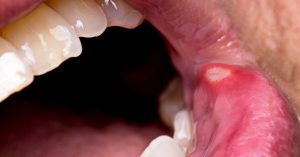
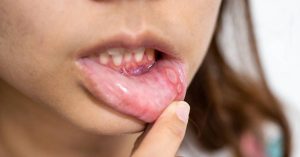
Canker Sores represents benign, non-contagious aphthous ulcerations that develop on the non-keratinized oral mucosa (inner cheeks, lips, tongue, and soft palate), presenting as painful lesions with a greyish-yellow necrotic center and surrounding erythematous halo.

Foundational Clinical Guides

Clinical Pillar

The Best Supplements for Mouth Ulcers and Canker Sores

Evidence-based diagnosis, symptom evaluation, and clinical treatment guidance from dental professionals.

Diagnostic Protocol

Canker Sore After Dentist Visit: Why & How To Treat Properly!

Evidence-based diagnosis, symptom evaluation, and clinical treatment guidance from dental professionals.

Therapeutic Guide

Does Stress Cause Canker Sores In The Mouth? Ultimate Guide

Evidence-based diagnosis, symptom evaluation, and clinical treatment guidance from dental professionals.

Therapeutic Guide

Can You Use Campho Phenique On A Canker Sore? Best Guide

Evidence-based diagnosis, symptom evaluation, and clinical treatment guidance from dental professionals.

Pathophysiology and Evidence-Based Management of Aphthous Stomatitis

Recurrent aphthous stomatitis (RAS) is one of the most common oral mucosal conditions, affecting up to 20% of the population. Unlike herpes simplex labialis (cold sores), canker sores are strictly non-infectious, do not form fluid-filled blisters, and occur exclusively inside the mouth on flexible mucous membranes.

The exact pathogenesis involves a T-cell-mediated immune response triggered by micro-trauma, acidic dietary triggers, nutritional deficiencies (ferritin, folate, zinc, B12), and localized contact allergies (such as sodium lauryl sulfate surfactant in conventional toothpastes).

Clinical management focuses on pain relief and accelerating re-epithelialization. Over-the-counter benzocaine gels, antimicrobial chlorhexidine rinses, hydrogen peroxide solutions, and prescription triamcinolone acetonide dental paste significantly reduce ulcer duration and discomfort.

Ulcer Severity ClassLesion DiameterClinical DurationScarring Potential
Minor Aphthous Ulcer3 mm – 8 mm7 – 10 daysHeals completely with zero tissue scarring
Major Aphthous Ulcer> 10 mm2 – 6 weeksDeep tissue involvement, potential mucosal scarring
Herpetiform Ulcer1 mm – 2 mm (clusters of 10-100)7 – 14 daysTiny pinpoint crops that coalesce; minimal scarring

Thematic Directory & Clinical Resources

Frequently Asked Questions About Canker Sores

How do canker sores differ from cold sores?

Canker sores occur inside the mouth on soft non-keratinized tissue and are non-contagious. Cold sores are caused by the herpes simplex virus (HSV-1), develop outside on the lips, and are highly contagious.

What is the fastest way to relieve canker sore pain?

Applying topical benzocaine gels, rinsing with warm salt water or diluted hydrogen peroxide, avoiding acidic and salty foods, and using protective bio-adhesive oral patches provide rapid relief.

When should a mouth ulcer be examined by a dentist or doctor?

Any oral ulcer that persists beyond two weeks without healing, grows larger than 1 centimeter, causes difficulty swallowing, or is accompanied by high fever requires immediate professional biopsy evaluation.

STOP spending thousands at the dentist!
Dentists Shocked: This Probiotic Discovery Changes Everythin
ProDentim's unique blend of 3.5 billion probiotics rebuilds what toothpaste destroys. See why 95,000+ customers give it ⭐⭐⭐⭐⭐. Try risk-free with 60-day guarantee!
Overlay Image