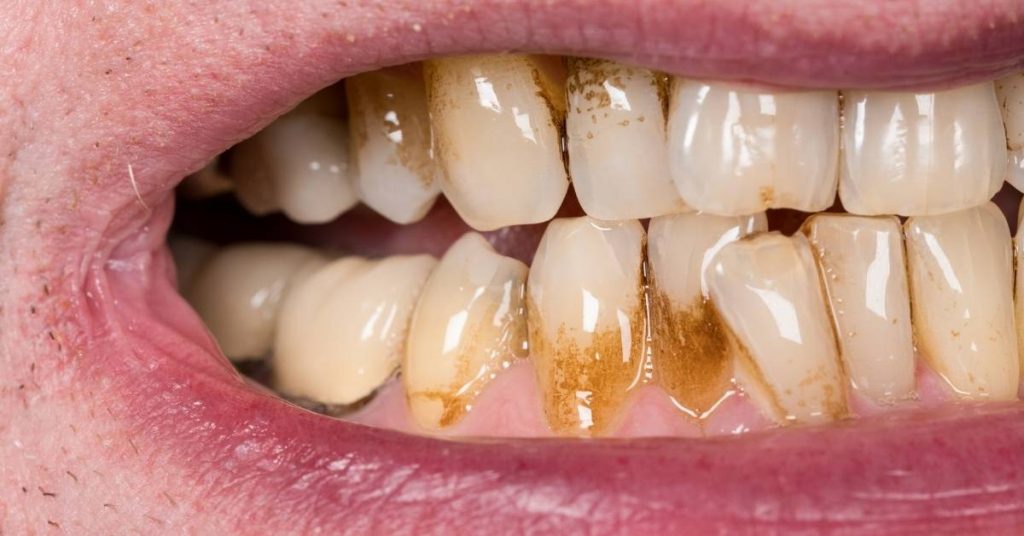
Plaque and calculus can be a real pain, but removing them is essential for the health of your teeth and gums. If you don’t brush and floss after eating or drinking, plaque will build up on your teeth. This film can harden into tartar, or calculus, over time. If you notice a calculus bridge on your tooth surface, you’ll need to visit your dentist for removal. So be sure to brush and floss regularly to avoid this build-up!
If you don’t brush your teeth after eating, you might notice a thin, sticky film that begins coating your teeth. It’s called plaque, and if it’s not removed through brushing and flossing, it can harden into tartar, also called calculus.
This film can coat multiple teeth, forming a calculus bridge. You’ll need to visit your dentist’s office to have that hardened calculus removed, so it doesn’t affect the health of your teeth and gums.
Types of Calculus Bridge

There are two types of calculus bridges. The first is the supragingival, which forms above the gum line. This type of bridge can usually be removed with a professional cleaning. The second type is subgingival, which forms below the gum line. Subgingival calculus is more difficult to remove and may require special instruments or a scaler.
The plaque that forms on your teeth can lead to a build-up of tartar if it’s not removed through brushing and flossing. The acids released by the bacteria in your mouth can break down the carbohydrates in your food and drinks, resulting in the formation of plaque. If plaque isn’t removed, it can harden into tartar, leading to further tooth decay and potential health problems. Plaque can become a calculus bridge.
If you have a calculus bridge, you’ll need to visit your dentist so they can remove it.
This is because the tartar can harbor bacteria that can lead to many dental issues:
1. Halitosis
It might be because of plaque and tartar buildup if you have bad breath. This condition is known as halitosis.
The bacteria that cause plaque and tartar can also release foul-smelling gases, leading to bad breath.
2. Tooth decay
Plaque and tartar can lead to tooth decay because they allow bacteria to grow. The bacteria in plaque and tartar can produce acids that eat away at your tooth enamel, leading to cavities.
3. Gum disease
Plaque and tartar can also cause gum disease. The tartar can build up along your gumline and irritate your gums. This can lead to inflammation, redness, and swelling of the gums (gingivitis). If left untreated, gingivitis can progress into periodontitis, a more severe form of gum disease.
4. Tooth loss

Tooth loss can occur as a result of gum disease. This is because the tartar can cause the gums to pull away from the teeth, leading to looseness and eventually tooth loss.
5. Other health problems
Plaque and tartar can also lead to other health problems like heart disease and stroke. This is because the bacteria in plaque and tartar can enter the bloodstream and travel to other parts of the body, where they can cause inflammation.
6. Cavities
Cavities are another common consequence of plaque and tartar. When plaque and tartar build up on your teeth, they allow bacteria to grow. The bacteria in plaque and tartar can produce acids that eat away at your tooth enamel, leading to cavities.
1. Professional removal
- The first step in removing a calculus bridge is cleaning your teeth. This will remove any plaque and tartar on the surface of your teeth.
- Next, your dentist will use a scaler to remove the calculus from your teeth.
- A scaler is a tool that vibrates at a high frequency and uses ultrasonic waves to remove calculus. The scaler will also help to smooth out any rough spots on your teeth.
- Finally, your dentist will polish your teeth, making them shiny and smooth.
Or you can do it yourself…Removing dental calculus can be tricky, but several methods can be effective. Here are a few of the most common ways:
2. Brushing your teeth
regularly: This is the most important step in preventing calculus buildup. Be sure to brush your teeth at least twice daily, and use a toothbrush with soft bristles.

3. Flossing your teeth
Flossing helps remove plaque and tartar between your teeth and your gum line. Be sure to floss at least once a day.
4. Using an antiseptic mouthwash
Mouthwashes can help kill bacteria and prevent plaque and tartar buildup. Look for an antiseptic mouthwash that contains fluoride.
5. Chewing sugar-free gum
Chewing sugar-free gum can help increase saliva production, which can help wash away plaque and tartar.
6. Avoiding sugary and acidic foods
Sugary and acidic foods can contribute to plaque and tartar buildup. So, it’s best to avoid them if you want to keep your teeth healthy.
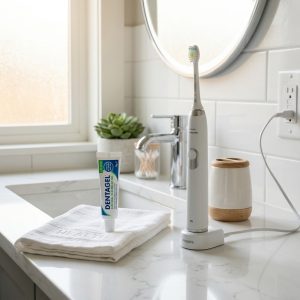
7. Use Calculus removal toothpaste
There is special toothpaste available that can help remove calculus. These toothpaste usually contain baking soda or other abrasive materials that can help break up calculus.
8. Baking soda

Baking soda is a natural cleaning agent used to remove calculus: mix one teaspoon of baking soda and two teaspoons of water to form a paste. Rub the paste onto your teeth using a toothbrush, and then rinse your mouth with water.
You can prevent calculus bridges by brushing and flossing regularly. It would help if you also visited your dentist for regular cleanings and checkups. Your dentist can remove any plaque or tartar that has built up on your teeth.
If you have a calculus bridge, it’s essential to visit your dentist so they can remove it. This is because tartar can harbor bacteria that can lead to many dental issues, such as halitosis, tooth decay, gum disease, and tooth loss. You can prevent calculus bridges by brushing and flossing regularly. It would help if you also visited your dentist for regular cleanings and checkups. Your dentist can remove any plaque or tartar that has built up on your teeth.
Dental calculus can be a severe issue, but there are steps you can take to prevent it from forming in the first place. Be sure to brush and floss regularly, see your dentist for cleanings and checkups, and limit sugary snacks and drinks when possible. If you notice calculus forming on your teeth, don’t panic – consult your dental team about the best course of action. With proper oral hygiene, you can keep your smile healthy and sparkling!
One way to protect your teeth is to prevent calculus or tartar buildup. This can be done by visiting your dentist regularly and cleaning your teeth. Calculus or tartar builds up can lead to gum disease and other dental problems. Healthy teeth are necessary for a bright smile, so take care of them!
Get our latest guides, news, and insights highlighted in your Google Search & AI Overviews.




 MY GUMS HAVE NEVER LOOKED BETTER!